
The Smart Way to Build Thought Leadership on LinkedIn

LinkedIn is not a place to show off your work experience anymore. It is a powerful tool that helps people become known as experts in their field and grow their business. These days, people who make buying decisions do not just want to hear about products. They want to learn things, hear different opinions, and listen to people they trust who can help them solve actual problems. This change has made LinkedIn the place where business people share their knowledge, start discussions, and become voices that make a real difference. LinkedIn is where professionals go to share what they know, start conversations, and create a reputation that drives results for their business.
Being a thought leader is not about posting things all the time or saying the same things over and over. It is about telling stories that make sense, creating value that people really need, and being present all the time. When you use LinkedIn in a way, it becomes a great place to make your personal brand stronger, to share your ideas with more people, and to influence what people talk about in your industry.
In this guide, we explore the smart way to build thought leadership on LinkedIn — from mindset and content strategy to execution and community engagement, drawing on proven practices and expert insights.
1. Start with a Clear Thought Leadership Mindset for Better Results
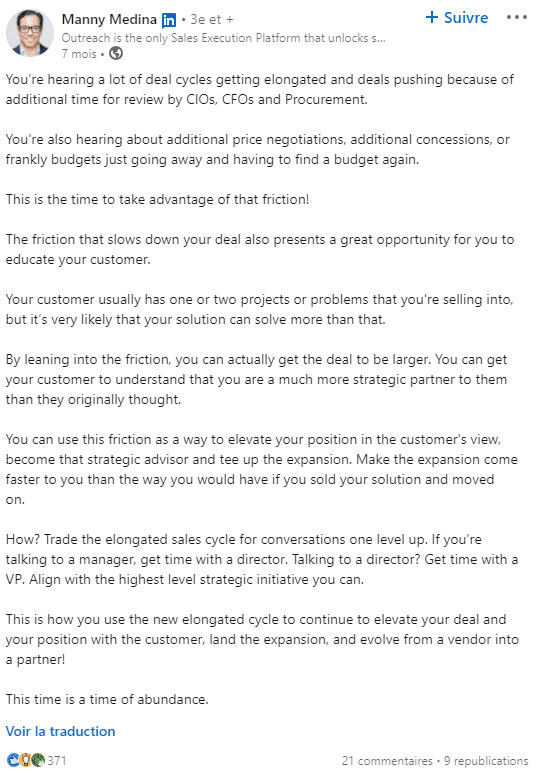
Manny Medina’s LinkedIn Post is a good example of this.
Thought leadership does not begin with content creation — it begins with clarity. Before posting on LinkedIn, it’s essential to understand what you want to be known for and why your perspective matters. True thought leaders don’t try to speak on everything; they focus on a defined area where their experience, insights, and opinions add real value.
Ask yourself:
- What industry challenges do I deeply understand?
- What problems can I help my audience think through better?
- What unique experiences or learnings shape my viewpoint?
When your content is rooted in a clear point of view, it naturally feels authentic and credible. This mindset ensures you’re contributing to conversations with intention, not simply adding to the noise.
2. Craft Content with Strategic Intent
Thought leadership content should always serve a purpose. Every post must answer one simple question: What value does this bring to my audience?
Instead of promotional messaging, focus on content that educates, challenges assumptions, or offers practical takeaways. Strong thought leadership content often includes:
- Insights drawn from real-world experience
- Industry trends explained with context and implications
- Lessons learned from successes or failures
- Frameworks that help simplify complex ideas
Additionally, intentional content aligns with your broader goals — whether that’s building credibility, driving conversations, or influencing decision-makers. When strategy guides content creation, consistency and impact follow naturally.
3. Be Consistent — But Quality Always Wins
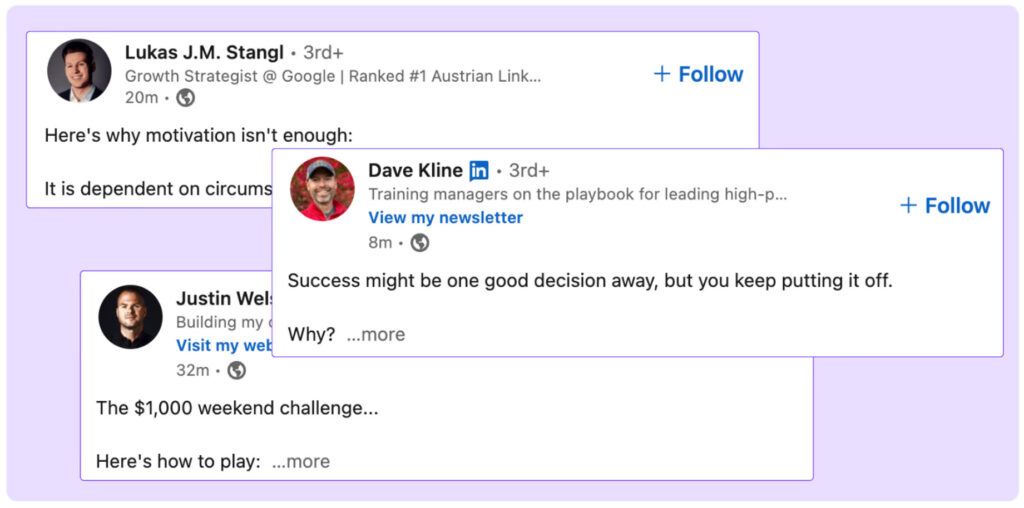
Image Source: Magicpost.in
Consistency builds familiarity, and familiarity builds trust. However, posting frequently without substance can weaken your credibility. The goal is to maintain a sustainable rhythm that allows you to deliver high-quality insights regularly.
A smart approach is to:
- Choose a posting cadence you can realistically maintain
- Prioritize depth, clarity, and relevance over volume
- Avoid posting just to stay visible — post to stay valuable
Over time, your audience will come to expect thoughtful content from you, reinforcing your position as a reliable voice in your domain.
4. Engage Authentically with Your Community
Thought leadership is not a broadcast channel — it’s a conversation. Engagement plays a critical role in building influence on LinkedIn.
Responding to comments, acknowledging differing viewpoints, and engaging with others’ content demonstrates openness and credibility. It also signals that you value dialogue, not just visibility. Leaders who actively participate in conversations are more likely to build loyal, engaged communities that organically amplify their content.
Authentic engagement transforms followers into advocates and connections into collaborators.
5. Leverage Data to Refine Your Strategy
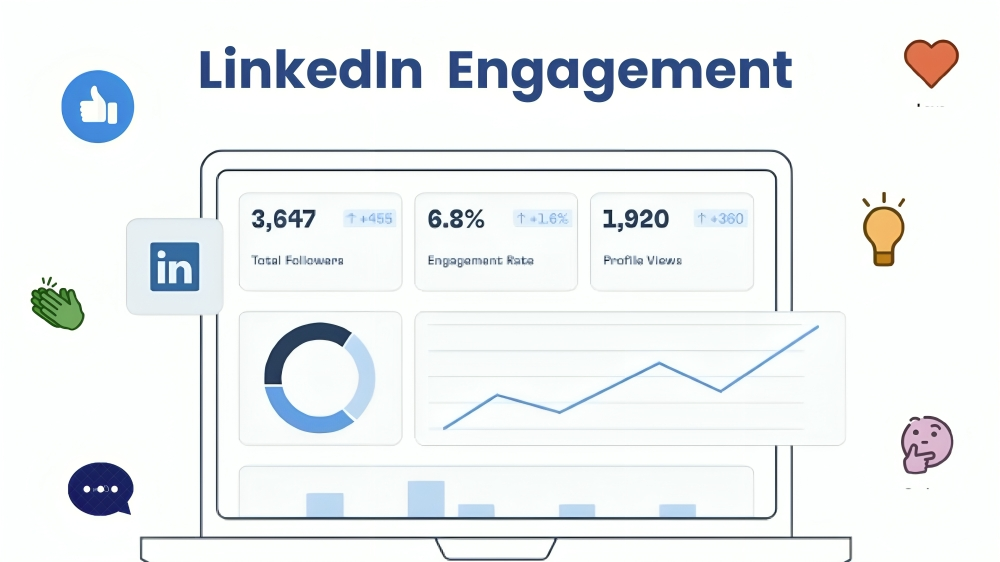
Effective thought leadership combines creativity with analysis. LinkedIn provides valuable performance data that can help you understand what truly resonates with your audience.
Pay attention to:
- Which topics generate the most discussion
- What formats drive higher engagement
- When your audience is most active
Use these insights to refine your content strategy, double down on high-performing themes, and continuously improve your approach. Data-driven refinement ensures your thought leadership evolves alongside your audience’s needs.
Also Read: The LinkedIn Hook Formula: 5 Ways to Stop the Scroll Instantly
Conclusion: Thought Leadership Is a Strategic Journey
Building thought leadership on LinkedIn is not about posting things so people see them. It is actually about having an influence on people. To do this, you need to have an idea of what you want to say. The things you post should be helpful to people. You should also talk to people in a way and think carefully about what you are doing based on how well your posts are doing. Thought leadership on LinkedIn requires all these things to work.
When you make things on purpose and help the people who follow you all the time, LinkedIn is not a website. LinkedIn is the place where you can say what you think. People will listen. You can be an expert in what you do. People will want to talk to you. This can help you get opportunities.
At Social Buzz, we help professionals and brands elevate their LinkedIn presence with purposeful content strategies that drive engagement, credibility, and real business outcomes. Let’s turn your insights into influence.
FAQ’s Section
1. What does thought leadership on LinkedIn really mean?
Thought leadership on LinkedIn means sharing meaningful insights, experiences, and perspectives that help others think better about industry challenges. It is not about self-promotion, but about consistently adding value and shaping conversations in your field.
2. How do I choose the right topics for thought leadership content?
Start by focusing on problems you deeply understand and questions your audience regularly faces. The best topics come from real-world experience, industry trends, and lessons learned that offer practical or strategic value to professionals.
3. How often should I post to build thought leadership on LinkedIn?
There is no fixed rule, but consistency matters more than frequency. Choose a posting schedule you can maintain while ensuring every post is insightful, relevant, and well thought out. Quality content builds trust faster than frequent posting.
4. Why is engagement important for building influence on LinkedIn?
Engagement turns content into conversations. Responding to comments, sharing opinions, and interacting with others’ posts helps build credibility, strengthen relationships, and create a loyal community that supports and amplifies your thought leadership.
5. How can data improve my LinkedIn thought leadership strategy?
LinkedIn analytics help you understand what resonates with your audience. By tracking engagement, topic performance, and posting times, you can refine your strategy, focus on high-impact content, and continuously improve your influence on the platform.
Author






Comment (01)