From Invisible to Irresistible: Fix These Common LinkedIn Profile Mistakes.


In today’s digital-first world, LinkedIn isn’t just another networking site. It’s your professional stage, where your profile doubles up as your resume and personal brand.
But here’s the reality: many professionals unknowingly hold themselves back by making small but costly mistakes. These slip-ups can make your profile fade into the background instead of shining in the spotlight.
If you’ve ever wondered, “Why is my LinkedIn profile not bringing me new opportunities, clients, or meaningful connections?” the answer may lie in these very avoidable mistakes. The good news? Fixing them can completely transform your profile, from invisible to irresistible.
Common LinkedIn Profile Mistakes

Here are some of the most common mistakes LinkedIn users often commit.
1. Posting Without Consistency
Many people post only when they feel inspired. While that sounds fine, LinkedIn rewards consistency. If you post randomly, even your best insights might get lost.
Think of it this way: showing up regularly signals commitment. Going quiet for weeks and then suddenly posting creates confusion for your audience and the algorithm.
2. Incomplete or Outdated Profiles
A missing profile picture. Old job titles. An empty About section. These may sound small, but together, they send a strong message: “I’m not active here.”
Remember, your LinkedIn profile is often someone’s first impression of you, whether it’s a recruiter, client, or collaborator. An incomplete or outdated profile risks making you look less credible, even if you’re great at what you do.
3. Generic Headlines
If your headline simply says “Marketing Manager” or “Sales Executive”, you’re missing a big opportunity.
Your headline is your chance to stand out. It’s what makes people pause and think, “I should connect with this person.” Instead of job titles, try using it to showcase your value. For example:
👉 “Helping Businesses Drive Growth Through Data-Led Sales Strategies.”
4. Staying Silent (No Engagement)
LinkedIn isn’t just a digital CV. It’s a community. If you only scroll but never engage, no comments, no posts, no participation, you’ll remain invisible.
Profiles that join conversations, share perspectives, and celebrate others naturally get more visibility. Engagement is the real currency here.
5. Ignoring Recommendations and Endorsements
We all know our skills, but what matters is when others vouch for them. Skipping recommendations or endorsements means losing out on social proof.
A strong profile doesn’t just tell your story; it has others validating it. And that validation builds instant trust.
How to Fix These Mistakes

Correcting these oversights not only boosts visibility but also strengthens your professional identity.
1. Embrace Consistency
Choose a few core topics or content pillars relevant to your expertise and post about them regularly. Even one to two posts per week, combined with comments on others’ content, keeps you visible.
2. Fully Optimize Your Profile
Fill out every section – profile photo, banner image, headline, summary, skills, and experience. Update your achievements and certifications regularly.
3. Craft an Engaging Headline
Go beyond simple job titles. For example, instead of putting “Sales Executive,” try writing “Helping Businesses Drive Growth Through Data-Led Sales Strategies.” This attracts attention and includes keywords.
4. Write a Compelling About Section
Tell your story authentically. Highlight achievements, values, and goals in a conversational yet professional tone. Include a call to action, such as inviting people to connect or collaborate.
5. Stay Active and Engage
Engagement is currency on LinkedIn. Comment thoughtfully on industry posts, share relevant insights, and celebrate others’ achievements. Consistency builds visibility and relationships.
6. Visual Content
Multi-image or carousel posts perform exceptionally well, with an average engagement rate of around 6.6% which is higher than videos (5.6%) or static images (4.85%).
7. Conduct Polls to Boost Engagement
LinkedIn polls generate some of the highest impressions of any post type. They spark immediate interaction and invite audience participation with minimal effort. Use them as part of a broader content strategy to draw attention and fuel discussion.
The Role of Personal Branding on LinkedIn
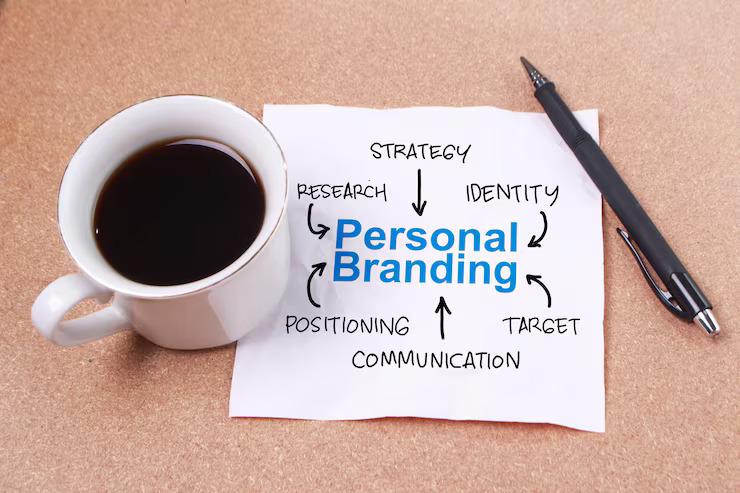
At its core, LinkedIn is not just about listing qualifications; it is also about shaping perception. Personal branding is how you control and project that perception. It consists of the following features.
a) Voice: Communicate authentically through posts, summaries, and comments.
b) Values: Ensure your profile reflects what you stand for, not just what you do.
c) Goals: Align every element of your profile with where you want to go in your career.
A strong personal brand builds trust, enhances recall, and makes you stand out in a crowded professional space. In a platform with millions of users, your brand becomes the differentiator that makes you irresistible.
Also Read: https://socialbuzz.org.in/top-5-linkedin-content-formats-that-perform-the-best/
Conclusion
Your LinkedIn profile isn’t a one-time setup. It’s a living, breathing part of your professional identity.
By fixing simple mistakes like inconsistency, incomplete details, or lack of engagement, you can turn your profile into a powerful magnet for opportunities.
And here’s the truth: LinkedIn success doesn’t come from secret tricks. It comes from doing the basics right, consistently and authentically.
At Social Buzz, we are here to fix your LinkedIn presence and turn your profile into a powerful tool that attracts the right opportunities.
FAQ’s Section
1. What does the shift from SEO to AEO mean for businesses?
The shift from SEO to AEO means businesses must optimise for instant, precise answers delivered through AI assistants, voice search, and zero-click results, not just blue links. Visibility now depends on being the best structured, most contextually relevant answer inside AI results.
2. Why is Answer Engine Optimization critical for startups?
AEO is critical for startups because it helps them build authority and trust in an AI-driven search landscape where users increasingly prefer answer engines. By aligning content with AI consumption, startups can compete with larger brands and avoid becoming invisible to future audiences.
3. How does ShopSphere use AEO in e-commerce?
ShopSphere structures product data so voice assistants can easily understand and deliver it during voice-led shopping journeys. This AEO-led approach creates smoother, more intuitive shopping experiences that improve conversions and customer stickiness.
4. How do AEO-focused tools like InstaAnswers help SMEs?
AEO tools like InstaAnswers help SMEs show up in AI-driven micro-moments and zero-click queries without needing deep in-house expertise. By making their information instantly retrievable as answers, smaller brands can compete with bigger players on visibility.
5. Is AEO a temporary trend or a long-term strategy?
AEO is positioned as a long-term pillar of digital strategy rather than a passing trend. As AI-powered platforms evolve, optimising for answer engines will become a survival requirement for businesses that want to dominate tomorrow’s search ecosystem.
Author




Comment (01)