
Inside CJP’s viral growth: Turning memes into mass movements

The Birth of CJP
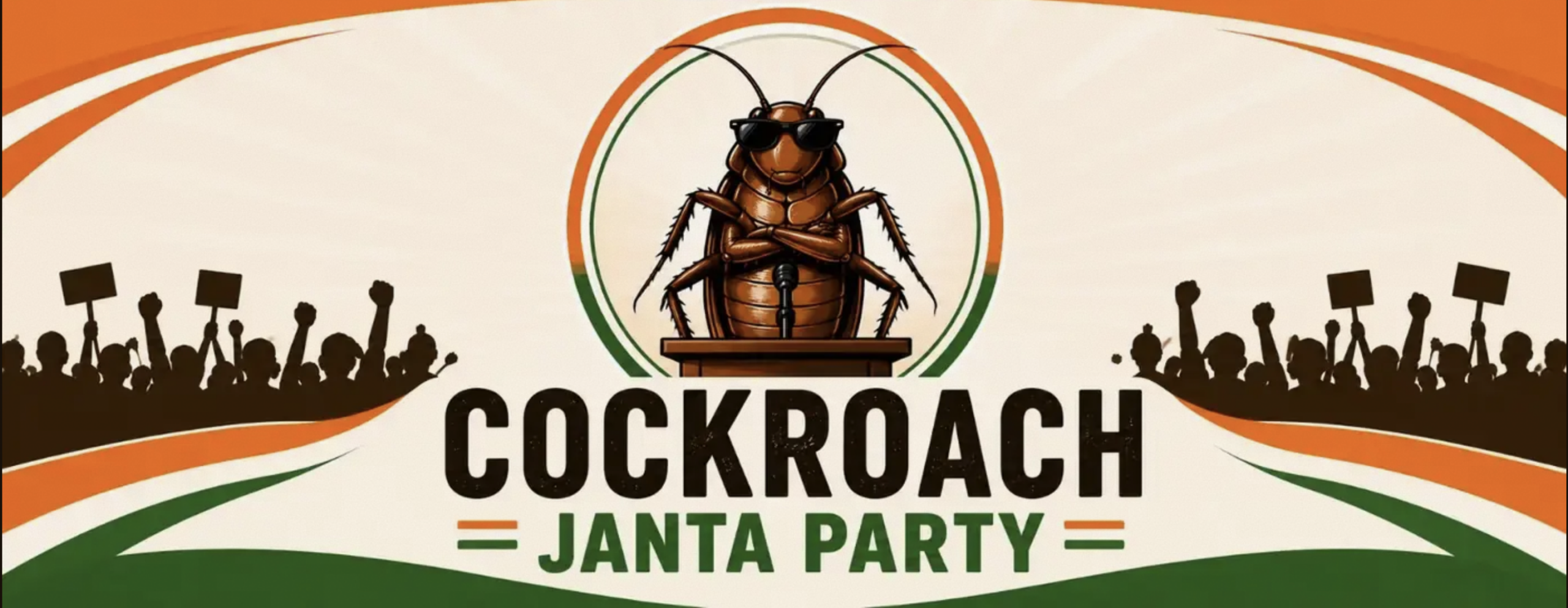
In an internet where trends disappear overnight, CJP’s viral marketing managed to do something rare: it turned a viral meme into a mass digital movement.. The movement traces its origins to a remark made by Chief Justice Surya Kant, who used the term “cockroaches” while referring to unemployed youth during a court hearing. Rather than allowing the label to remain an insult, many young people online reclaimed it through satire. Soon after, PR student Abhijeet Dipke launched the Cockroach Janta Party (CJP), introducing the slogan “Main Bhi Cockroach” and opening registrations for anyone who wished to join.
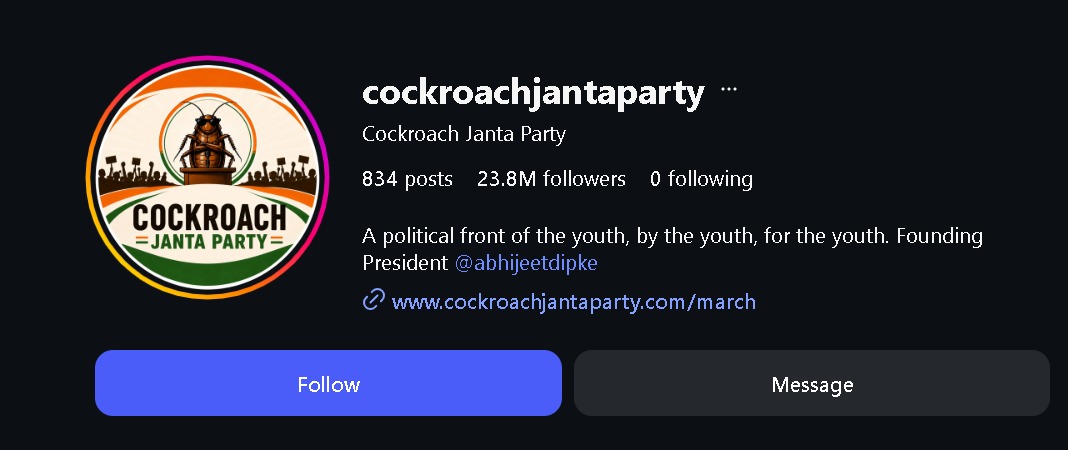
Unlike conventional political campaigns that often rely on lengthy manifestos or celebrity endorsements, CJP quickly gained traction through relatable memes, short-form videos, and internet humour. Within just five days of its launch, the movement had amassed nearly 15 million Instagram followers and over 400,000 registrations. Within two weeks, that number crossed 22 million followers, making it one of the fastest-growing political accounts in India.
A meteoric rise on social media
CJP’s social media growth was nothing short of explosive. Conversations soon spread beyond Instagram, dominating X (formerly Twitter), Reddit discussions, WhatsApp forwards, YouTube videos, and countless meme pages. The account maintained a high publishing cadence, posting multiple times a day through a mix of Reels, protest updates, memes, graphics, and short-form videos to stay relevant in users’ feeds. With an engagement rate of around 11.6%, an average of more than 137,000 likes and nearly 1,100 comments per post, the account consistently outperformed what is typically expected from pages of similar size.
As the movement gained visibility, users began creating their own edits, posters, memes, profile pictures, and short-form videos, turning audiences into active participants rather than passive consumers. This user-generated content significantly expanded CJP’s reach, allowing the conversation to spread organically without relying on paid promotions or celebrity endorsements.
The content strategy behind the virality
One of the biggest strengths of CJP’s digital strategy was its understanding of platform-native content. Rather than repurposing the same message across every platform, the movement embraced the language of the internet. Most posts featured short captions, trending meme formats, humour rooted in current affairs, and highly shareable visuals designed for quick consumption. This reduced the barrier to engagement, making it easier for users not only to consume the content but also to remix, repost, and adapt it for their own audiences. Instead of chasing virality through expensive campaigns, CJP built momentum by creating content people genuinely wanted to share.
CJP’s branding revolved around relatability. Rather than relying on polished political messaging, its content addressed issues that many young people were already discussing online, using humour, satire, and internet culture to make those conversations more accessible. The movement also benefited from social proof, a marketing phenomenon where people are more likely to engage with content they see others engaging with. Every repost, meme remix, comment, and story share created a self-reinforcing cycle of visibility, while platform-native content helped it perform well across Instagram’s recommendation systems.
The campaign also highlighted a broader shift in digital marketing. Instead of treating audiences as passive consumers, CJP encouraged participation. Supporters became creators, designing memes, making edits, recording reaction videos, and sharing updates with their own communities. This transformed the movement from a single Instagram account into a decentralised content ecosystem where thousands of users voluntarily became brand ambassadors. For marketers, this demonstrates the growing value of user-generated content in building both reach and credibility.
From online buzz to offline action
Social media movements often fade as quickly as they appear. CJP, however, followed another trajectory. What began as a digital conversation gradually found expression in public demonstrations and nationwide protests.
The movement gained further momentum when educator and innovator Sonam Wangchuk joined through an indefinite hunger strike, echoing the demands of many protesters for greater accountability over alleged examination irregularities. As the movement grew, calls for the resignation of Union Education Minister Dharmendra Pradhan became one of its central demands.
Today, the movement reached another defining moment with the ‘Chalo Sansad’ march. Despite permission for the march being denied and heightened security across central Delhi, thousands of supporters gathered as the Monsoon Session of Parliament began, demonstrating how a movement that originated on social media had expanded into public mobilisation.
From a marketing perspective, this marked one of CJP’s biggest milestones. Its success could no longer be measured solely by follower counts, engagement rates, or viral memes. The movement demonstrated something far more powerful: the ability to convert digital attention into real-world participation. Whether one agrees with the movement or not, CJP offers valuable lessons for marketers: community can outperform celebrity influence, user-generated content can scale faster than paid advertising, and the strongest campaigns are often those that invite audiences to participate rather than simply watch.
Sources
About the author:
Kamakshi Kadhyan is a Journalism and Mass Communication student and a digital marketing intern. She possesses a keen interest in content, branding, and storytelling. She enjoys reading, writing, listening to music, and is always looking for fresh creative ideas.