
Lifebuoy Advertising Strategy: Bunty, “Tera Sabun Slow Hai Kya?” and A Behavioural Branding Case Study

If you grew up watching Indian television in the 2000s, you remember Bunty. You may not remember the year the ad aired. You may not remember the channel. But you remember the child. You also remember the line: “Bunty, tera saboon slow hai kya?”
That sentence alone made Bunty one of the most recognisable advertising characters in India. It also helped Lifebuoy cement its position as a trusted hygiene brand in Indian households. Bunty was not a celebrity endorsement. He was not aspirational. He was not visually striking. Yet he stayed relevant for years. This was clearly a clever advertising strategy.
Bunty Represented the Everyday Indian Child
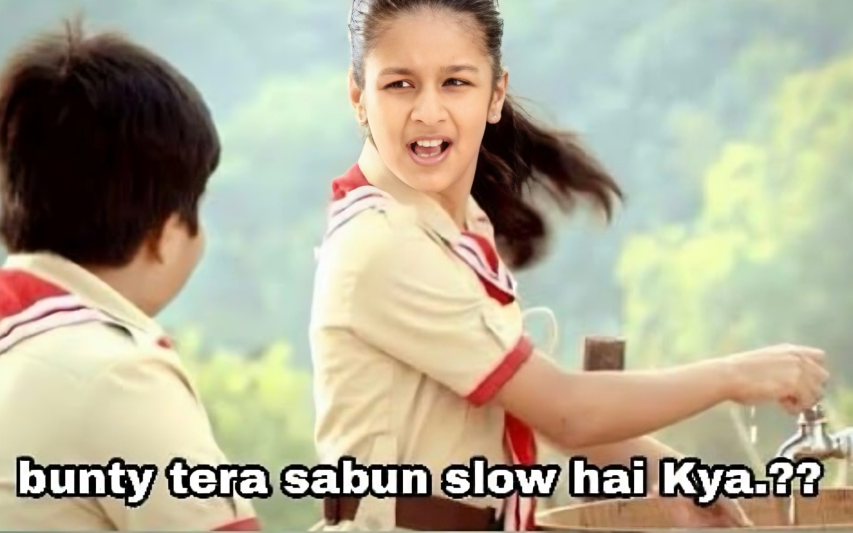
Image Source: Tenor
Bunty felt familiar from the very first frame. He was playful. He was taught to wash his hands and then get back to playing. Indian parents recognised this lesson instantly. The setting felt real. The homes looked ordinary. The washbasin looked familiar. There was no exaggeration. There was no element of fantasy. Bunty behaved like a real child. Even the way the older sibling gently rebukes Bunty for being careless is very real. That realism worked in Lifebuoy’s favour. Parents did not feel judged. They felt understood. Bunty mirrored a daily household struggle.
Instead of positioning hygiene as a lecture, it was shown as part of everyday life.
Why the Name “Bunty” Was a Strategic Choice
The choice of the name Bunty was deliberate. Bunty is a pan-India name. It exists across regions. It exists across languages. It cuts across class and geography. Bunty can be a boy’s name. It can also be a girl’s nickname. Almost every Indian household has heard the name or used it. There is no regional ownership of the name. A Bunty can belong to North India. South India. East or West. Urban or semi-urban homes. This universality made the character instantly accessible. No viewer felt excluded. No cultural translation was required.
By choosing a common name, Lifebuoy avoided stereotyping. Bunty did not belong to a specific state or community. He belonged to every household. That made the campaign scalable. One character worked for the entire country.
Humour That Made Hygiene Memorable
The humour in the Bunty ads was subtle. It felt natural and sounded like everyday conversation. “Bunty, tera saboon slow hai kya?” did not sound scripted. It sounded like something a parent would genuinely say. That made the line repeatable. People used it outside the ad. Parents used it at home. Children repeated it in school. The phrase entered popular culture.
The humour served a clear purpose. It highlighted the limitations of ordinary soaps. It positioned Lifebuoy as faster and more effective. There was no complex explanation. No scientific jargon. The message was simple. Lifebuoy works better.
Consistency That Built Strong Recall

Image Source: Tenor
Lifebuoy did not keep changing Bunty’s character. His behaviour stayed the same. The story stayed the same, where there was a careless child and a concerned sibling making a comparison with regular soap. Lifebuoy was concluded as the better choice. This repetition was intentional. Consistency builds familiarity. Familiarity builds trust. Trust, in turn, builds habits.
Lifebuoy benefited from all three. Viewers could anticipate the message. That anticipation strengthened recall. Over time, Lifebuoy stopped being a product that needed explanation. It became the default option.
Lifebuoy’s Intent Behind Making Bunty the Face
Lifebuoy was not trying to create a mascot for visual identity. It was trying to influence behaviour.
At the time, hygiene was not a dominant topic in Indian households. Germ protection was not actively discussed. Lifebuoy needed to educate without sounding authoritative. Bunty helped achieve that balance. The brand did not scare consumers. It nudged them and positioned itself as the smarter choice. Bunty made the brand approachable. He softened the message and removed intimidation from the conversation around germs. This approach built long-term trust.
Why Lifebuoy Eventually Moved On
As consumer awareness increased, Lifebuoy’s communication evolved. Hygiene expanded beyond washing hands, bathing, and surface cleaning. Overall protection became more important. Lifebuoy began speaking to adults and institutions such as schools, offices and public spaces. By then, the brand had established credibility. The association with protection was strong. While Bunty had already done the foundational work, Covid-19 further positioned Lifebuoy as a brand inseparable from hygiene. Phasing him out was a strategic progression. His role was completed.
The Branding Lesson from Bunty
Bunty offers a clear lesson for marketers. Characters do not need to look iconic. Instead, they need to feel real. The choice of a common name mattered. The behaviour mattered. The consistency mattered.
Lifebuoy chose insight over innovation. It chose relevance over novelty. That decision built long-term brand equity.
Long after the ads stopped airing, Bunty has remained memorable. That is the mark of effective branding
Also Read: ZooZoo- The Vodafone Mascot
Social Buzz’s Approach to Long-Term Brand Building
At Social Buzz, we are constantly curious about what makes brands stay relevant over time. Through characters like Bunty, we see how brands move beyond products and become a part of everyday life. What appears simple on the surface often carries layers of insight, strategy, and consumer understanding beneath it. Our challenge is to decode these journeys. To look at why certain brand decisions worked, how they shaped consumer behaviour, and what they can teach us today.
As we continue exploring iconic brand narratives and long-standing advertising characters, we invite you to follow along because branding is never just about campaigns or characters. It is about people, perceptions, and the habits that quietly shape our choices.
Stay tuned as Social Buzz continues to unpack stories that have defined Indian branding over the years.
FAQ’s Section
1. What is behavioural branding in marketing?
Behavioural branding in marketing is the practice of shaping how consumers interact with a brand in everyday life. It focuses on familiarity, consistency and real-life relevance so that the brand becomes easy to recognise, remember and trust over time.
2. How does behavioural branding help improve brand recall?
Behavioural branding improves brand recall by repeating simple, relatable messages in familiar situations. When consumers repeatedly encounter a brand in everyday contexts, it becomes easier to remember and recognise without conscious effort.
3. Why is consumer behaviour important for effective branding?
Consumer behaviour is important for branding because it reveals how people actually think, decide, and act. Brands that align their messaging with real consumer behaviour appear more authentic and are more likely to build long-term trust.
4. Can behavioural branding build brand trust without aggressive advertising?
Yes, behavioural branding can build brand trust without aggressive advertising by relying on consistency and familiarity. When a brand feels dependable and present in daily life, consumers are more likely to trust it naturally.
5. How can brands use behavioural branding in their advertising strategy?
Brands can use behavioural branding by observing everyday habits, keeping messaging simple, and maintaining consistency across campaigns. Advertising that reflects real-life experiences tends to feel more credible and memorable to consumers.
Author







Comment (01)