Using LinkedIn for B2B vs. B2C Profiles

LinkedIn has evolved far beyond a hiring and networking platform — it’s now one of the most powerful spaces for building visibility, driving leads, and growing brand credibility.
But here’s the twist: how you approach LinkedIn for B2B (Business-to-Business) audiences is very different from how you use it for B2C (Business-to-Consumer).
While B2B brands focus on building authority, nurturing long-term relationships, and generating qualified leads, B2C brands thrive on emotion, storytelling, and community.
The secret lies in understanding the difference — and tailoring your LinkedIn presence to match your audience’s mindset.
Let’s break down how to use LinkedIn effectively for both B2B and B2C profile types.
1. The Core Difference: Logic vs. Emotion
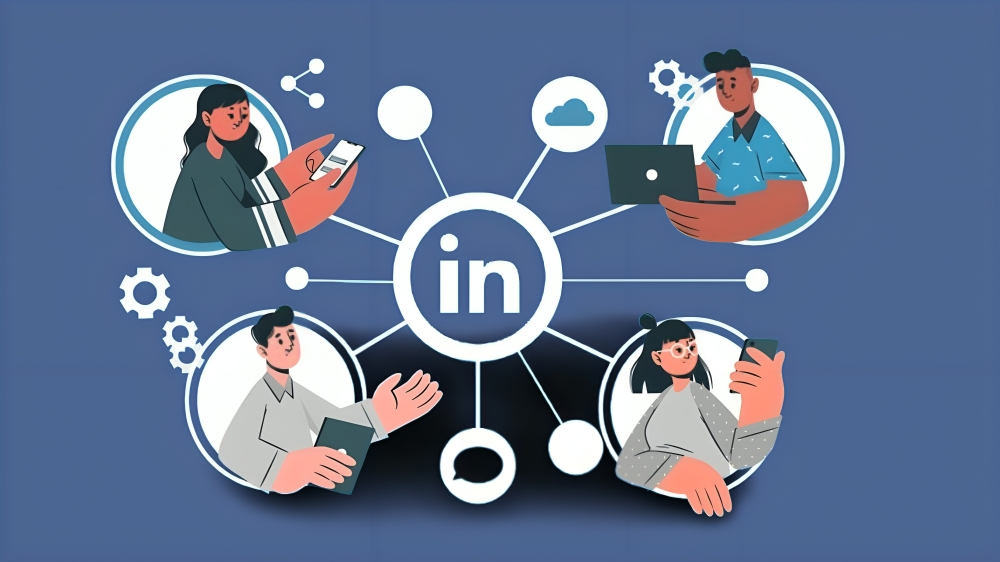
The foundation of any LinkedIn strategy depends on who you’re talking to.
For B2B profiles:
The goal is to demonstrate expertise and reliability. Your content should explain how your solutions address complex business challenges, establish trust among decision-makers, and showcase measurable results. Think of it as selling value through logic and proof.
For B2C profiles:
It’s all about connection and emotion. Your audience wants to see how your brand fits into their lifestyle. Content should be relatable, inspiring, and story-driven — focusing on people, not processes.
In short, B2B wins hearts through logic, while B2C wins hearts through emotion. When done right, both create loyal audiences.
2. Content Strategy: Thought Leadership vs. Experience
Your content defines how people perceive you on LinkedIn — and this varies sharply between B2B and Your content defines your identity on LinkedIn — and what works for one audience may not resonate with the other.
For B2B:
- Focus on thought leadership: whitepapers, industry insights, and expert opinions.
- Showcase case studies, client success stories, and ROI-driven outcomes.
- Use a professional, data-backed tone.
- Maintain consistent branding with clean visuals and structured storytelling.
For B2C:
- Tell human-centered stories — behind-the-scenes moments, customer experiences, or community wins.
- Use lighter, engaging formats like short videos, carousels, or polls.
- Emphasize your brand personality — colors, tone, and emotion.
- Use relatable language that encourages comments and sharing.
In short:
B2B content builds credibility, while B2C content builds connection. The most effective brands use both: authority from B2B communication and authenticity from B2C storytelling.
3. Engagement Approach: Relationships vs. Reach
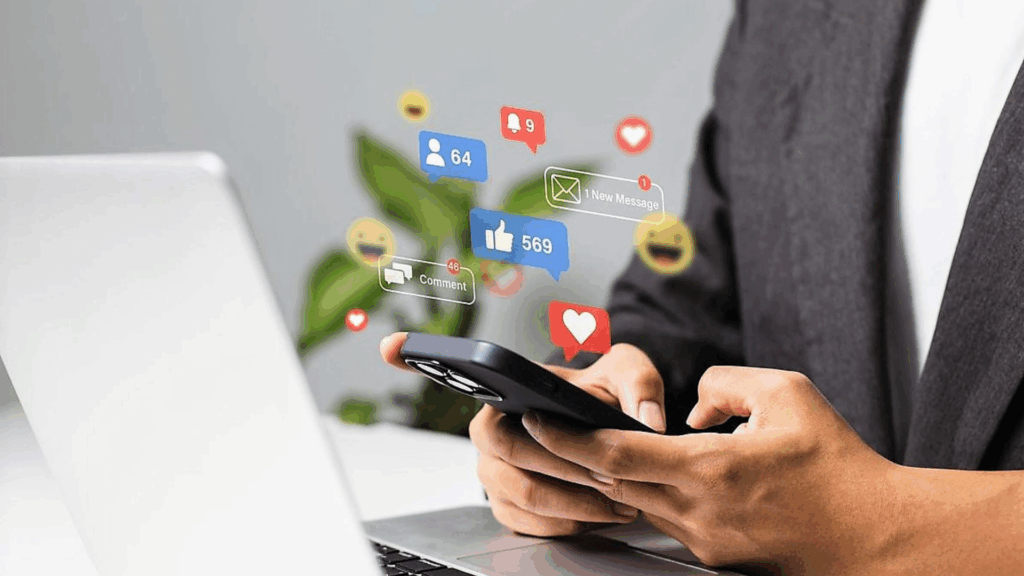
Engagement on LinkedIn determines how your brand grows — but the method varies widely between B2B and B2C.
B2B engagement should:
- Prioritize meaningful conversations with decision-makers and professionals.
- Participate in industry-specific groups or comment on thought leader posts.
- Share company culture and expertise to build trust at scale.
B2C engagement should:
- Spark interactive conversations — polls, questions, and relatable discussions.
- Encourage customers to share their experiences and tag your brand.
- Use UGC (user-generated content) and visual storytelling to create community buzz.
B2B engagement deepens relationships; B2C engagement broadens reach.
4. Measuring Success: Leads vs. Loyalty

How you define success also shifts between B2B and B2C.
For B2B:
- Track qualified leads and conversions.
- Monitor website traffic and form submissions from LinkedIn.
- Measure engagement on educational or industry content.
For B2C:
- Measure brand awareness, impressions, and engagement rate.
- Track community growth, shares, and mentions.
- Focus on how your content builds brand sentiment and customer loyalty.
B2B success equals pipeline impact; B2C success equals brand love.
5. The Power of Integration: Blending Professional and Personal

The best LinkedIn strategy doesn’t separate B2B and B2C — it blends them.
Even in B2B, decision-makers are humans first. And in B2C, credibility still matters.
When a brand combines emotional storytelling with industry authority, it earns both trust and traction.
For example, a B2B tech company can share behind-the-scenes stories about its team (a B2C-style tactic) to humanize the brand, while a B2C brand can share insights or data to establish credibility (a B2B-style approach).
Also Read: How LinkedIn’s Collaborative Articles Are Shaping Thought Leadership
Conclusion: Build for the Audience, Stay True to Your Voice
Whether your LinkedIn presence represents a B2B or B2C brand, success begins with understanding your audience. B2B thrives on credibility, expertise, and consistent value-driven communication that builds long-term trust. On the other hand, B2C focuses on connection — using emotion, storytelling, and relatability to turn audiences into engaged communities.
But the most impactful brands know how to blend both. Even in B2B, decision-makers are people first; they respond to emotion, authenticity, and human stories. And in B2C, customers value transparency, reliability, and thought leadership. The balance lies in combining logic with empathy, ensuring your brand educates, inspires, and connects on multiple levels.
At Social Buzz, we help businesses of all types master the art of LinkedIn — creating strategies that blend data with personality, helping your brand grow faster, smarter, and stronger.
FAQ’s Section
1. How often should a B2B brand update its LinkedIn and website content?
B2B brands should update key LinkedIn content (banner, headline, featured posts) at least once a quarter and refresh high‑intent website pages every 3–6 months. This balance keeps your authority content current for answer engines while aligning with longer B2B sales cycles that rely on logical proof and case studies.
2. What type of LinkedIn updates work best for B2C brands, and how should the website support them?
B2C brands perform best with frequent, emotion‑driven LinkedIn updates like short videos, carousels, and community stories that spark conversation. Your website should support these posts with regularly updated landing pages and stories that mirror the same campaigns, giving answer engines consistent, connected signals across channels.
3. How can LinkedIn posts drive better performance from website updates for AEO?
Use each new website update (blog, case study, or resource) as a LinkedIn post framed around a clear user question, then link back to the page. This creates a question‑answer loop where AI systems see your LinkedIn and website content, reinforcing the same topic, improving your chances of being cited as a trusted source.
4. What’s different about updating LinkedIn for B2B vs B2C when planning website changes?
B2B LinkedIn updates should highlight logic‑driven assets like whitepapers, ROI case studies, and industry insights that you also keep updated on your website. B2C LinkedIn updates should amplify lifestyle stories, community wins, and user content that link to fresh landing pages or product stories on your site.
5. How can brands use website and LinkedIn updates together to boost AEO?
Brands can plan joint LinkedIn and website updates around specific user questions, then structure both as clear Q&A or how‑to blocks. Adding FAQ schema to the website and echoing those same questions in concise LinkedIn posts helps answer engines quickly understand, extract, and cite your content.
Authors