
How ‘Emily in Paris’ Dramatizes (and Demystifies) Influencer Marketing
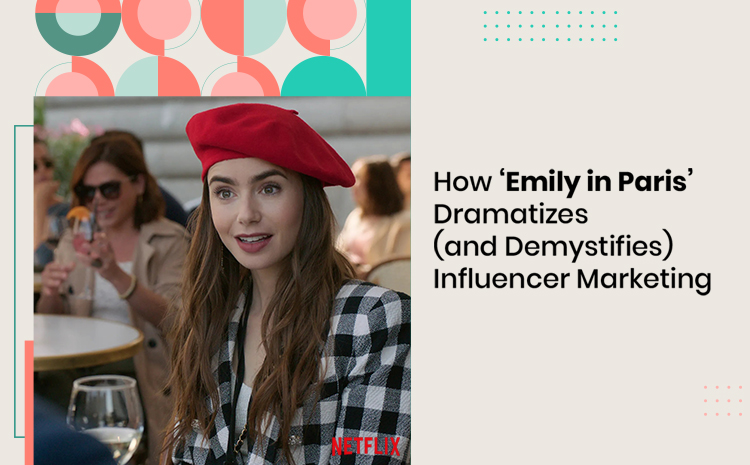
Let’s be real, half the fun of watching Emily in Paris is rolling your eyes at how over-the-top it is. Designer clothes for every coffee run? A social media campaign pulled together in five minutes that somehow trends worldwide? And don’t even get me started on those rooftop soirées.
But here’s the twist: beneath all the baguettes, berets, and Instagrammable drama, the show actually drops some surprisingly real lessons about influencer marketing. You just have to look past the champagne bubbles.
So, let’s break down how Emily in Paris makes influencer marketing look like a fairytale—and where it actually gets things right.
1. The Overnight Virality Myth
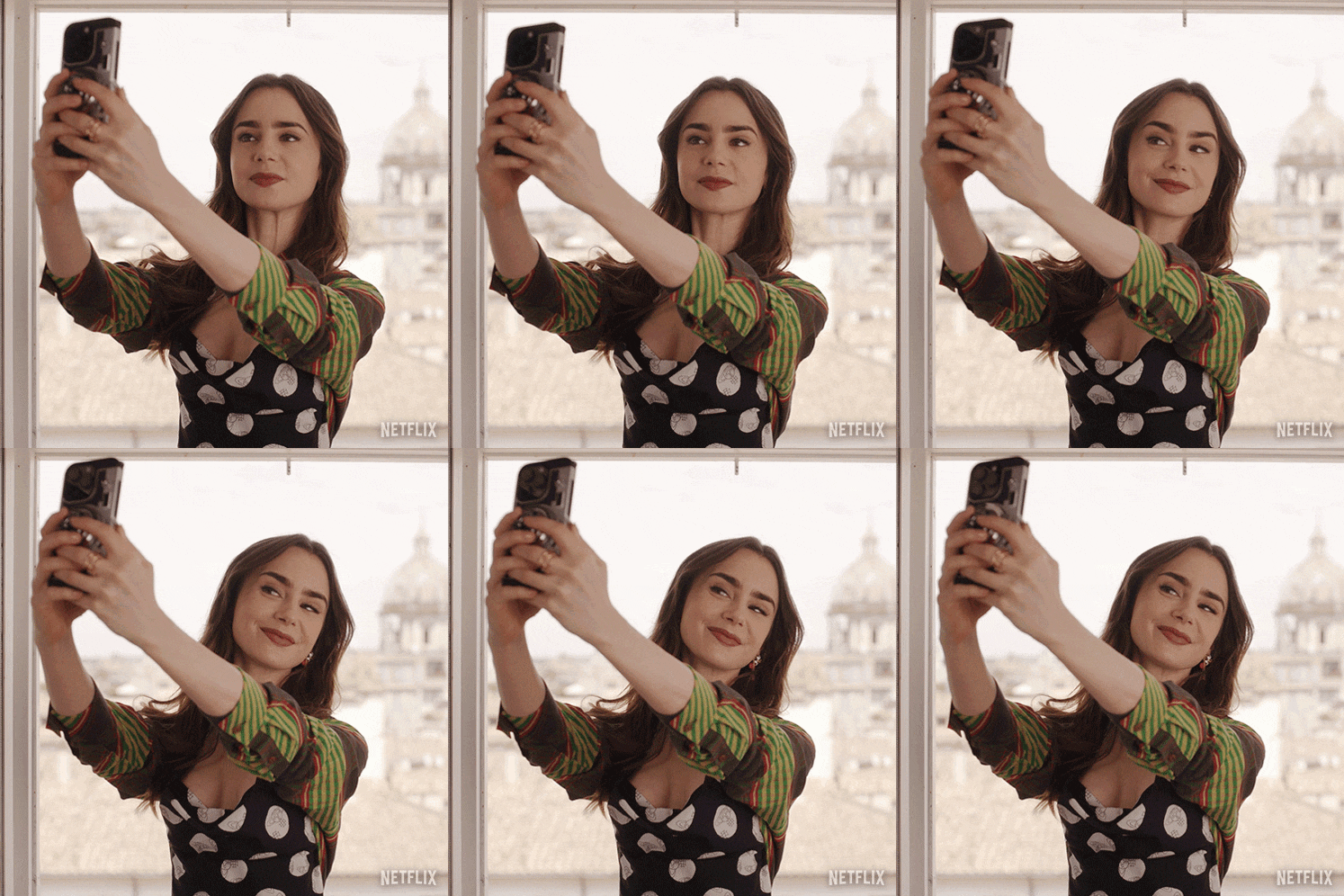
Emily posts a selfie, slaps on a quirky caption, and boom! Thousands of likes and instant brand deals. If only life were that easy.
In reality, virality isn’t a button you push; it’s a mix of timing, audience, relevance, and yes, a little luck. The show dramatizes it (because who wants to watch someone A/B test hashtags for weeks?). But it does highlight one truth: great content + cultural timing can supercharge brand visibility.
2. Influencers as Storytellers, Not Billboards

Remember when Emily pitches a product as part of a story rather than just a sell? That’s authentic storytelling, and it’s influencer marketing 101.
Audiences today don’t want hard-sell ads; they want narratives. They want to see how a product fits into someone’s life, not just in a flat lay on a marble table.
So yes, Emily’s execution may be extra (like her), but the principle stands strong: authentic content builds trust faster than any billboard.
3. Brand Meets Culture

Emily often wins because she “gets” the cultural moment. Whether it’s turning a dinner into an event or linking a brand to Parisian quirks, she shows that influencer marketing thrives when it taps into culture, not just commerce.
Reality check? In real life, it takes research, trend-spotting, and sometimes a few failed experiments before you land on that perfect cultural hook.
4. Social Capital Is the Real Capital
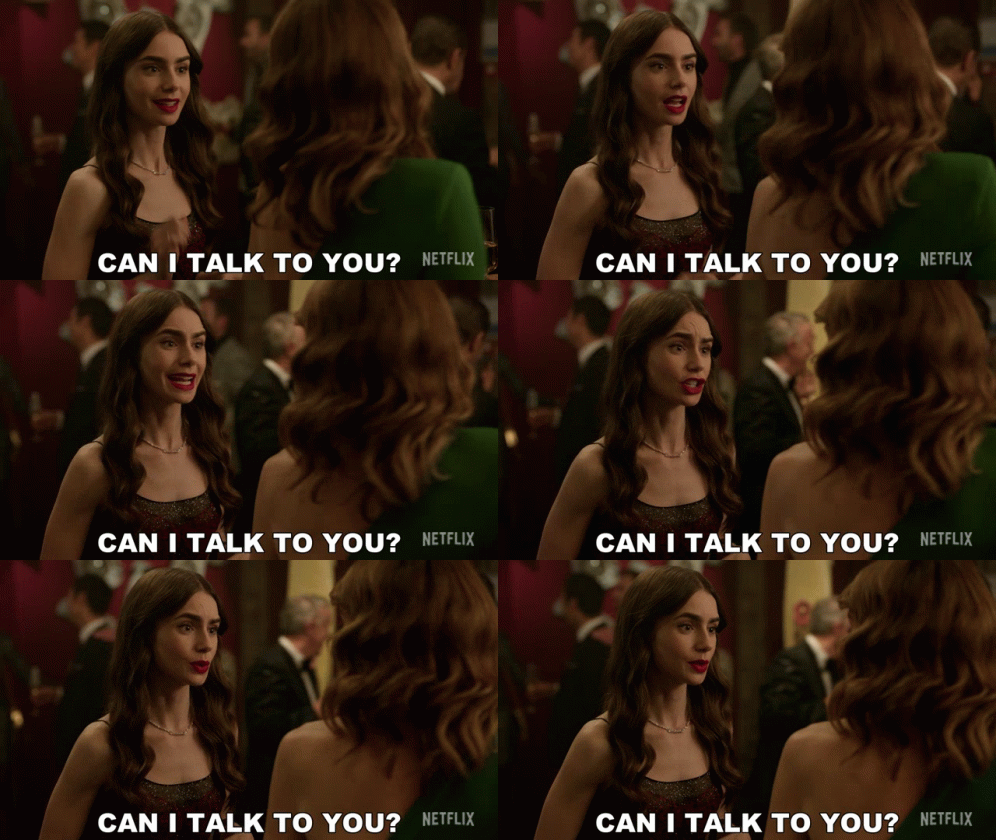
Emily’s social circle is basically her marketing superpower. From photographers to designers to random Parisian partygoers, she’s constantly expanding her network, and that translates into opportunities.
IRL, influencer marketing works the same way. Relationships—between brands, creators, and communities- often matter more than follower counts. It’s not just who you are; it’s who you know and who knows you.
5. The Glamor vs. The Grind

The show sells us the glam side: champagne at fashion shows, perfectly staged photoshoots, instant brand love. What it skips is the grind—analytics, contracts, content calendars, negotiation headaches.
And maybe that’s fine, after all, who wants to watch Emily fill out an Excel sheet? But it’s worth remembering: behind every dreamy influencer post, there’s usually a lot of unglamorous work.
Also Read: From SEO to AEO: Why Businesses Must Adapt to AI-Driven Mentions
Conclusion: Lessons in Between the Drama
So, does Emily in Paris dramatize influencer marketing? Absolutely. But does it also demystify it in its own sparkly, over-dramatic way? Yep.
The truth is, influencer marketing isn’t about instant fame or fancy soirées; it’s about authentic storytelling, cultural connection, and consistent effort. Emily may be exaggerated, but she shines a spotlight on the power of influence in today’s digital-first world.
And here’s where reality kicks in: unlike Emily, you don’t need to juggle it all alone. At Social Buzz, we help brands like yours craft authentic influencer campaigns, create SEO-friendly digital content, and boost brand visibility across platforms. Whether it’s influencer partnerships, content strategy, or digital marketing that works, we make sure your brand isn’t just seen—it’s remembered.
Because while Emily has Paris, you’ve got us.
FAQ’s Section
1. What does Emily in Paris get wrong about influencer marketing?
The show makes influencer marketing look effortless, with Emily going viral overnight and landing instant brand deals from a single quirky selfie. In reality, virality depends on consistent content, audience insights, timing, and luck, not just one clever post.
2. What is the main influencer marketing lesson from Emily in Paris?
The biggest lesson is that influencers work best as storytellers, not digital billboards. When Emily weaves products into her lifestyle and narrative instead of pushing a hard sell, it reflects how authentic storytelling builds trust and boosts brand visibility.
3. How does Emily in Paris show the role of culture in influencer marketing?
Emily often wins campaigns when she taps into Parisian culture, local quirks, and social trends instead of relying only on generic brand messages. This mirrors real-life influencer marketing, where cultural relevance and trend-spotting are key to creating content that actually resonates with audiences.
4. What is the difference between the glam and the grind in influencer marketing?
On-screen, influencer marketing looks like rooftop parties, fashion shows, and perfectly staged photos. Off-screen, it involves data analysis, contracts, negotiation, content calendars, and ongoing optimisation that the show largely skips for drama.
5. How can brands apply Emily in Paris–style influencer marketing in real life?
Brands can borrow the show’s focus on storytelling, social relationships, and cultural hooks, but pair it with real-world strategy and execution. Partnering with the right creators, tracking performance, and aligning campaigns with brand goals turns “Emily-style” ideas into sustainable influencer marketing results.
Author





Comment (01)