
Zomato’s Witty Billboards: How Humor Built a Cult Outdoor Presence
If you’ve ever driven past a busy street in India, chances are you’ve caught a glimpse of a Zomato billboard that made you stop, laugh, or at least do a double-take. From cheeky one-liners to cleverly sarcastic copy, Zomato has transformed the humble billboard into a stage for wit, relevance, and relatability — all while subtly reminding you that yes, your next meal is just a click away.
But how did humor become their secret weapon, and why does it work so well in outdoor advertising? Let’s break it down.
Humor That Hits Close to Home
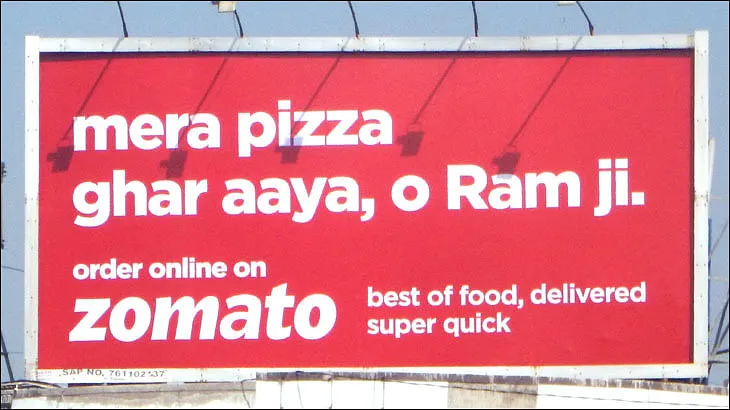
Image source: Zomato
Zomato’s billboards aren’t trying to be clever for cleverness’ sake. They thrive on relatability.
Think about the everyday moments: skipping lunch because meetings ran over, craving pizza at 11 PM, or the eternal struggle of deciding what to order. Zomato taps into these tiny, universally shared experiences and adds a witty twist.
The result? People don’t just glance at the billboard — they remember it, talk about it, and sometimes even click a pic to share on social media. That’s a marketer’s dream: combining humor with brand recall.
Standing Out in a Crowded Landscape
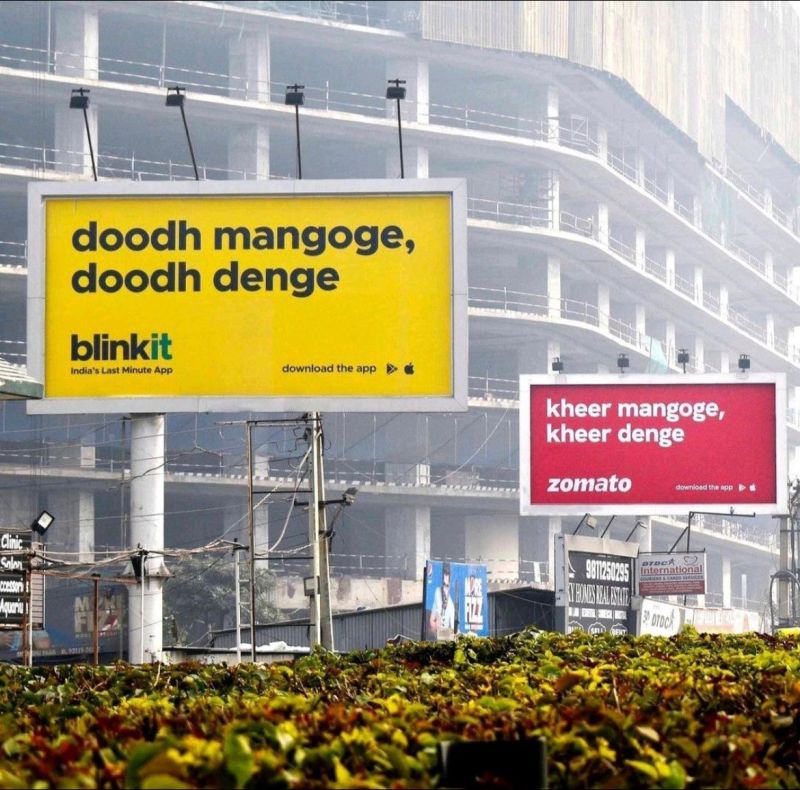
Image source: Zomato
Outdoor advertising is crowded. Billboards, hoardings, bus stops — it’s a jungle. Most brands rely on bold visuals or celebrity endorsements to grab attention. Zomato? They went the opposite way: minimalist, text-driven, funny, and clever. The brilliance lies in how these billboards pause you mid-traffic scroll — or in this case, mid-commute. A witty line can make you laugh, nod in agreement, or just appreciate the cleverness. And in doing so, Zomato ensures that its brand stays top-of-mind without ever being pushy.
Humor That Builds a Cult Following
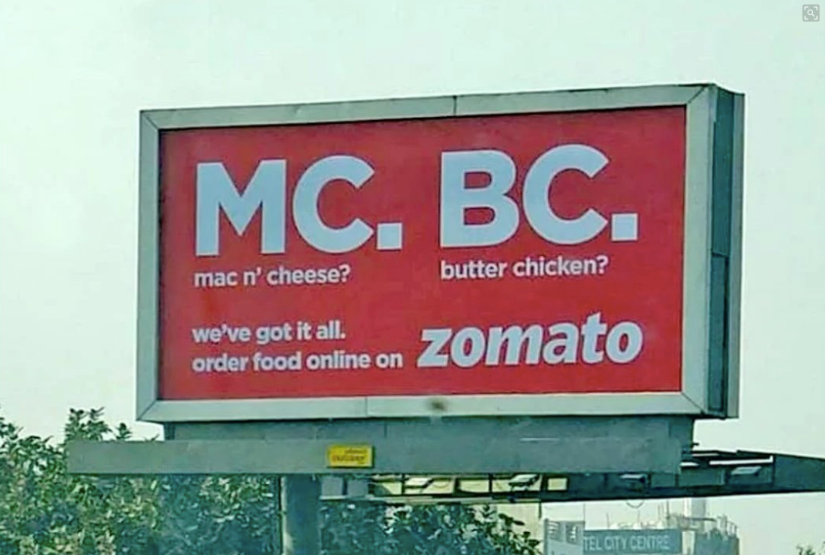
Image source: Zomato
When you combine relatability + wit + repetition, you get a brand presence that almost feels like a friend talking to you. Zomato’s billboards don’t just sell food — they sell a shared culture of humor and human quirks.
Fans eagerly spot their billboards, screenshot them, and share them online. Some even create dedicated social media accounts tracking every witty Zomato line. This is not marketing by chance — this is marketing that turns into community building.
Lessons for Marketers

Zomato’s success offers a few clear lessons for brands:
- Know your audience — Humor works best when it’s relevant to your target audience’s life and language.
- Keep it simple and readable — In outdoor advertising, you have mere seconds to grab attention. Every word counts.
- Consistency builds identity — The more you repeat your tone, the more recognizable and shareable your brand becomes.
- Don’t force it — Zomato’s wit feels natural because it mirrors genuine human thoughts, frustrations, and cravings.
Also Read: How to Build a Personal Brand on LinkedIn — Without Posting Every Day
Conclusion
Zomato proves that billboards don’t have to be boring. A clever line, a relatable joke, or a perfectly timed pun can turn simple outdoor spaces into powerful tools of brand recall and cultural relevance. Humor isn’t just decoration; it’s the strategy that keeps people talking, sharing, and remembering.
So, the next time you see a Zomato billboard, smile, take a screenshot, and think: this isn’t just advertising — it’s brand building with wit.
At Social Buzz, we are here to help you transform your social media presence into a powerful tool for trust-building and growth.
FAQ’s Section
1) How do Zomato billboards use humor effectively in outdoor advertising?
Zomato billboards use humor effectively by tapping into relatable everyday experiences like late-night cravings and meeting delays, turning universal moments into witty, memorable lines that stop commuters mid-scroll.
2) Why does Zomato’s humor stand out in crowded outdoor advertising?
Zomato’s humor stands out using minimalist, text-driven designs with clever sarcasm instead of bold visuals or celebrities, making billboards instantly readable and shareable in seconds.
3) How has Zomato’s humor built a cult following through billboards?
Zomato humor builds a cult following by creating relatable wit that fans screenshot, share online, and track via dedicated accounts, turning billboards into community conversations beyond advertising.
4) What lessons can marketers learn from Zomato billboard strategy?
Marketers learn from Zomato to know the audience deeply, keep copy simple/readable, maintain a consistent tone for identity, and ensure humor feels natural rather than forced for maximum recall.
5) Why do Zomato billboards achieve strong brand recall?
Zomato billboards achieve brand recall by combining relatability, wit, and repetition that make people laugh, nod, photograph, and discuss, embedding the brand in cultural conversations organically.
Author





Comment (01)