
The Power of Storytelling in Influencer Marketing

Let’s start with a hard truth: attention is expensive, patience is limited, and audiences have developed an Olympic-level skill of ignoring ads. Scroll, skip, swipe — marketing messages barely stand a chance anymore.
But stories? Stories still stop the scroll.
In influencer marketing, storytelling is not a “nice to have” — it’s the difference between content that’s tolerated and content that’s trusted. While ads try to convince, stories invite people in. They create emotion, spark curiosity, and most importantly, feel human in a digital space that often doesn’t.
Influencers thrive not because they sell well, but because they connect well. Their power lies in their ability to turn products into experiences and brands into moments people can relate to. When storytelling leads the strategy, influencer marketing stops being transactional and starts becoming transformational.
Why Stories Work Better Than Sales Pitches
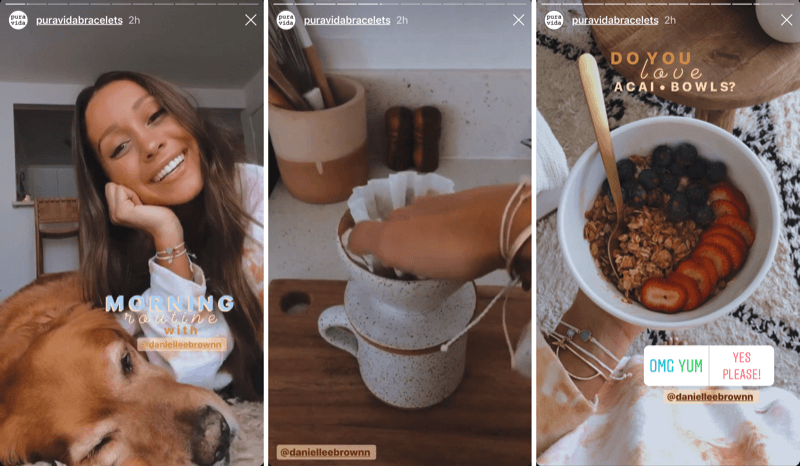
Danielle Brown x Pura Vida Bracelets is a good example for this post.
Let’s be honest — nobody likes being sold to. But everyone enjoys a good story.
Stories work because they bypass resistance. Instead of telling audiences what to buy, influencers show why something mattered in their lives. A skincare product becomes a confidence booster. A productivity tool becomes a stress saver. A fashion brand becomes part of a personal identity.
When people emotionally connect with a story, logic follows. Trust is built quietly, without force. And once trust exists, conversion becomes a natural outcome — not a hard sell.
That’s why stories outperform scripts every single time.
Influencers Are Not Billboards — They’re Storytellers
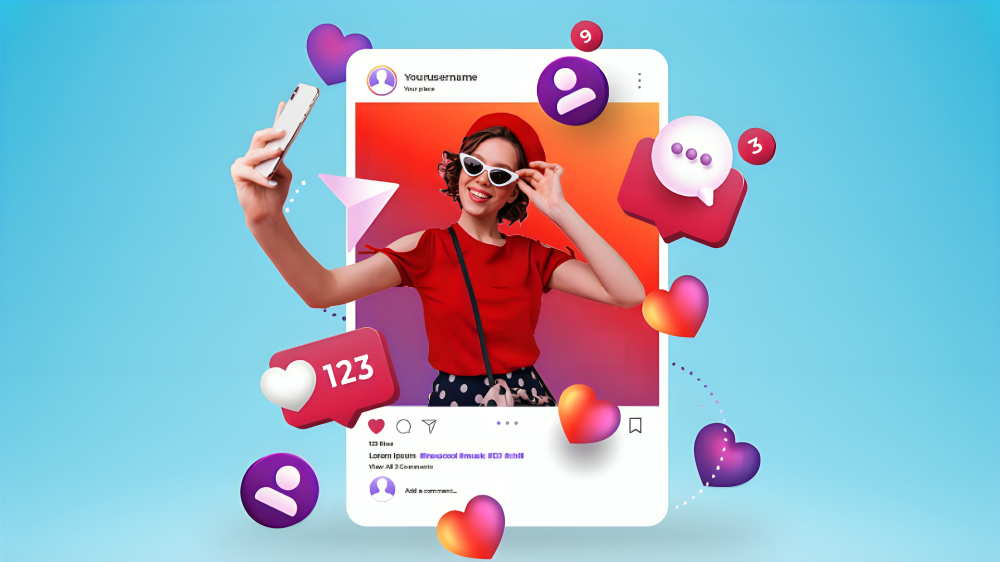
If influencers were meant to sound like ads, they wouldn’t have followers — they’d have brochures.
Audiences follow creators for their personality, honesty, and perspective. The moment content feels overly branded or scripted, it loses credibility. And once credibility is gone, engagement disappears faster than a skipped ad.
Smart brands understand this. They treat influencers as creative partners, not media slots. They provide direction without domination, guidance without micromanagement. When influencers are trusted to tell their own story in their own voice, the content feels authentic, and authenticity always performs better.
Relatability Beats Perfection (Every Single Time)
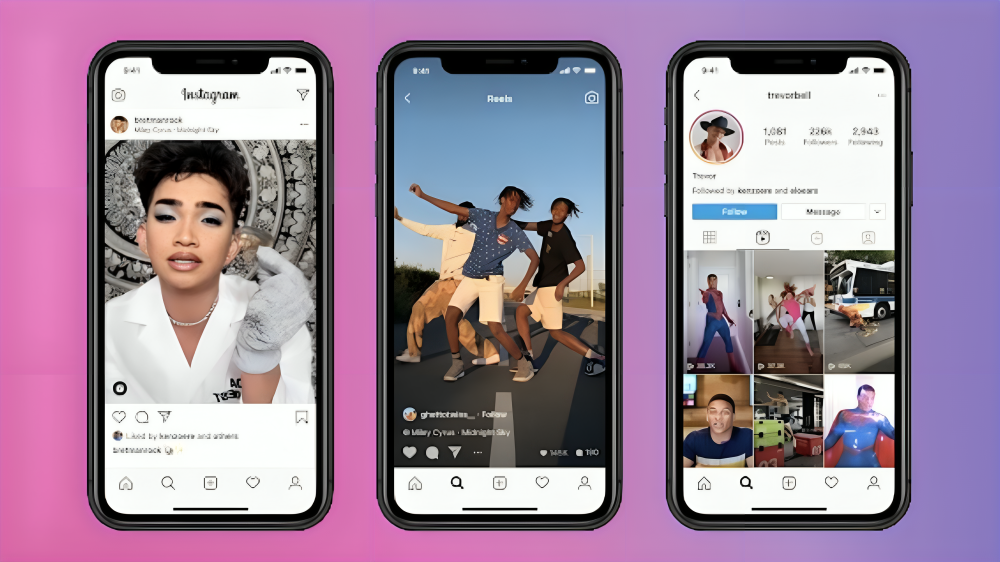
Perfect content looks good. Relatable content feels good.
Highly curated visuals and flawless messaging might win awards, but relatability wins hearts. Audiences connect more with messy desks, honest reviews, and real-life challenges than with polished perfection.
When influencers share both the problem and the solution, the struggle and the outcome, the story feels complete. It mirrors real life — and that’s exactly why it resonates.
In influencer marketing, authenticity isn’t about being raw for the sake of it. It’s about being believable.
Small Stories Create Long-Term Brand Impact

Not every story needs a beginning, middle, and dramatic ending. Sometimes, it’s just a moment — a quick reel, a casual mention, or a spontaneous story update.
These small, everyday narratives add up over time. They build familiarity. They reinforce trust. They make brands feel like a natural part of the creator’s world rather than a temporary sponsor.
When storytelling is consistent, brands don’t just gain visibility — they gain presence. And presence is what leads to long-term loyalty.
How Brands Can Enable Better Storytelling (Without Killing the Vibe)
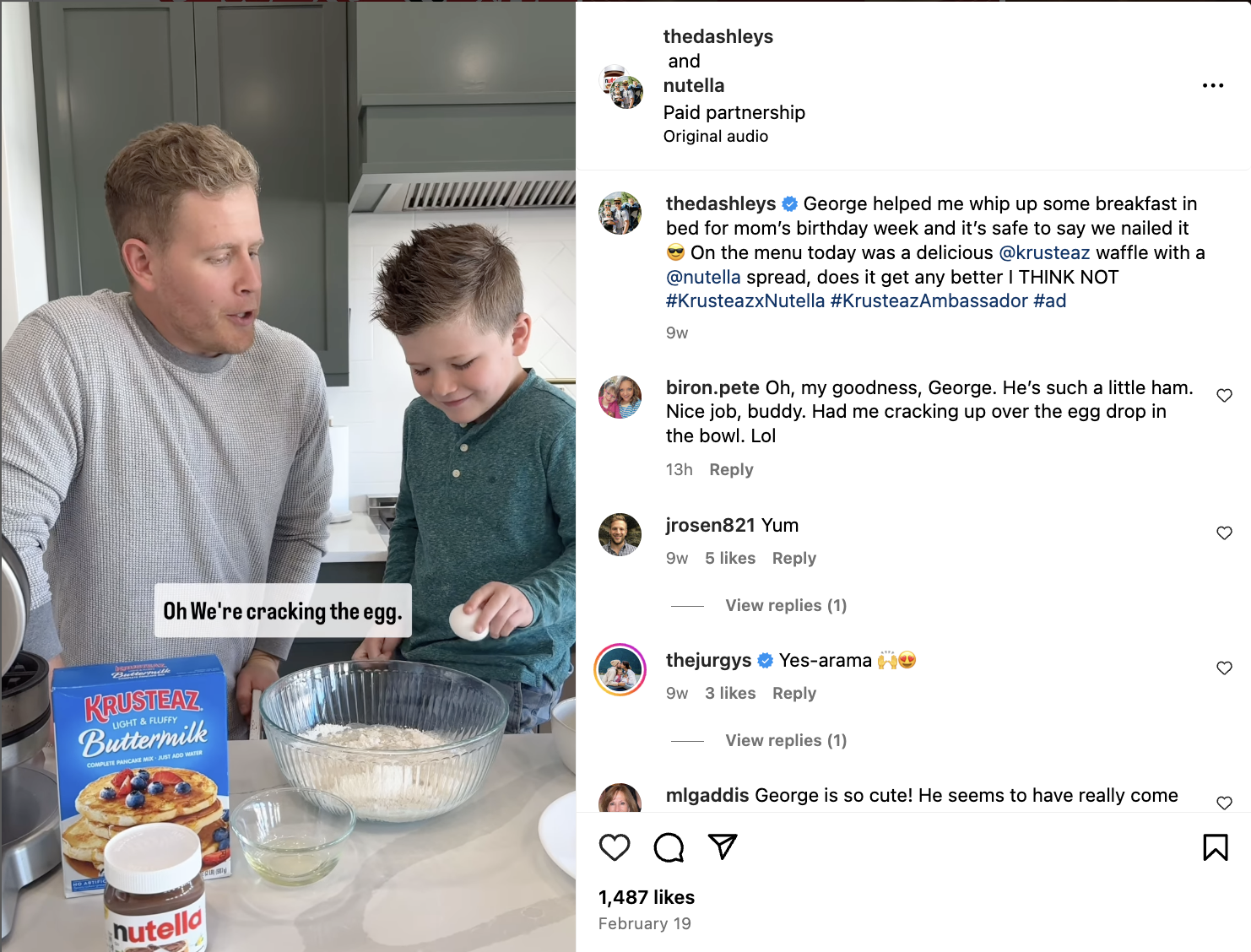
TheDashleys Collaboration with Nutella and Krusteaz is a good example of this.
Great stories don’t come from long briefs and tighter controls — they come from clarity and trust.
Brands that win at influencer storytelling focus on:
- Explaining the brand’s purpose, not just features
- Encouraging real usage and honest experiences
- Allowing creators creative freedom
- Measuring connection, not just clicks
The more space you give creators to be themselves, the stronger the story becomes. And the stronger the story, the better the results.
Also Read: The Smart Way to Build Thought Leadership on LinkedIn
Conclusion: Stories Don’t Sell Products — They Build Belief
At its core, influencer marketing isn’t about reach or impressions. It’s about belief.
Stories don’t force decisions — they shape perception. They turn brands into experiences, creators into advocates, and audiences into communities. In a world where attention is fleeting and trust is rare, storytelling is what gives influencer marketing its staying power.
Brands that understand this don’t chase virality — they build relevance. They don’t push messages — they create meaning. And that’s what separates campaigns that perform from those that are remembered.
At Social Buzz, we help brands move beyond surface-level influencer campaigns by crafting storytelling-led strategies that feel authentic, engaging, and human. Because when stories come first, influence follows naturally — and impact lasts far beyond the campaign.
FAQ’s Section
1. What is storytelling in influencer marketing?
Storytelling in influencer marketing is the practice of promoting a brand through personal experiences, emotions, and real-life moments rather than direct selling. Instead of scripted ads, influencers share authentic stories that make products feel relatable, human, and trustworthy.
2. Why is storytelling more effective than traditional influencer ads?
Storytelling works better because it builds emotional connection and trust. While traditional ads push products, stories invite audiences into real experiences. This reduces resistance, increases engagement, and makes conversions feel natural rather than forced.
3. How do influencers use storytelling to build audience trust?
Influencers build trust by sharing honest experiences, including challenges, opinions, and outcomes. When audiences see real usage instead of polished promotion, the content feels credible, relatable, and believable — which strengthens long-term trust.
4. What role does authenticity play in influencer storytelling?
Authenticity is the foundation of influencer storytelling. Audiences respond better to genuine, relatable content than to perfect visuals or scripted messages. Authentic stories reflect real life, making brands feel like a natural part of the influencer’s world.
5. How can brands support better storytelling in influencer marketing?
Brands can enable better storytelling by giving creators creative freedom, focusing on brand purpose rather than product features, encouraging real usage, and measuring emotional connection instead of just clicks or impressions.
Author





Comment (01)