
Mad Men vs. Modern Marketing: What’s Changed, What Hasn’t
Marketing has come a long way from the days of smoky conference rooms, whiskey-filled brainstorms, and Don Draper-style epiphanies scribbled on napkins. Today, campaigns are fueled by data dashboards, A/B tests, and algorithms instead of instinct, cigarettes, and three-martini lunches. Yet, every time we see a brilliant ad go viral, it’s hard not to think, Draper would’ve approved.
We’ve traded typewriters for MacBooks and print billboards for TikTok hooks, but the heart of marketing? Still very much the same. Creativity, storytelling, and human emotion, the holy trinity, remain untouched, no matter how fancy our tools get. So let’s take a fun ride through the evolution of ads, from Mad Men swagger to modern marketing science, and see what transformations made us sharper, faster, and way more customer-obsessed.
What Changed? (Oh, EVERYTHING…and nothing.)
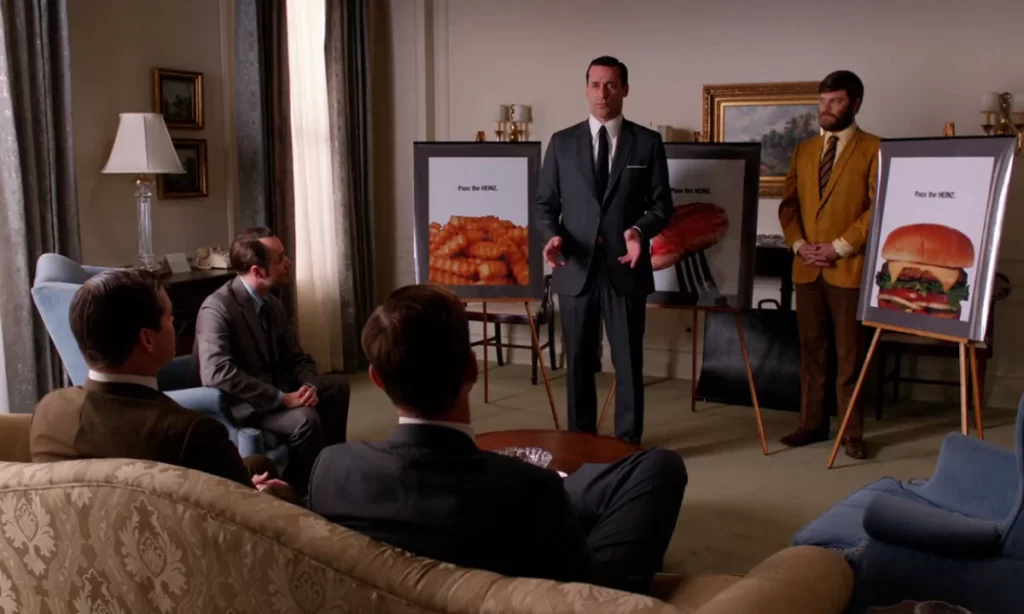
Image source: Amazon Prime
1. Data Replaced Gut Feelings (Mostly)
Back in the Mad Men era, creativity ruled. Ideas were bold, risky, sometimes genius, and sometimes… disastrous. Today, a marketer won’t even choose a CTA button without analytics to back it up. We track clicks, impressions, scroll depth, sentiment analysis, and even how long someone hovered over a banner. The magic now lies in insight-driven creativity instead of sheer intuition. But here’s the plot twist: great campaigns still need instinct. Data guides, but ideas win hearts.
2. TV Was King, Now Everyone’s Royalty
Earlier, brands chased prime-time slots. Now? Every platform is a stage. TikTok is where brands dance, Twitter is where they roast, LinkedIn is where they show their wisdom, and YouTube is where they storytell. Small brands are going viral overnight without million-dollar media buys. Distribution has democratized—content isn’t just broadcast, it’s shared, stitched, memed, remixed.
3. Consumers Talk Back Now
In Mad Men times, advertising was a one-way monologue—brands spoke, customers listened. Today, it’s a two-way street (sometimes a wrestling ring). Reviews, comments, duets, backlash, praise—people talk back. And brands better listen. Wendy’s Twitter is proof that personality > polish. Engagement is the new billboard.
4. Speed Became Brutal
A campaign earlier took months to plan and launch. Today, trends expire faster than ice melts in Mumbai’s heat. You miss a trend by 24 hours? Congrats, you’re late. Real-time content is currency; Zomato, Swiggy, Netflix India, and CRED are winning because they react, respond, and create instantly.
5. From Perfect Messaging to Relatable Moments
Old ads showed glossy lifestyles, perfect homes, perfect hair, perfect families. Today, consumers crave authenticity. We love ads where brands admit mistakes, laugh at themselves, and show behind-the-scenes bloopers. Human beats Shiny every time. This generation trusts vulnerability more than perfection.
6. Technology Became the New Creative Partner
AI writes scripts, tools generate images, and CRMs segment audiences in milliseconds. Marketers now have dashboards smarter than entire Mad Men teams combined. But here’s the irony: technology didn’t replace creativity. It amplified it. The best ideas still begin with, “Hear me out…”
What Hasn’t Changed? (The heart of marketing.)
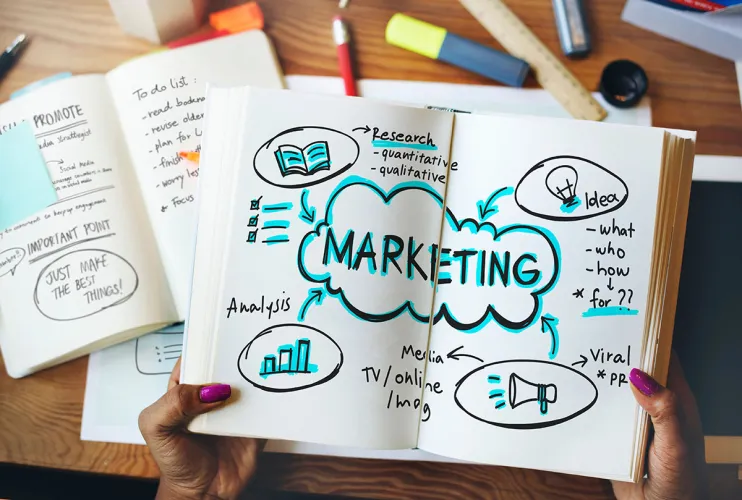
Despite all upgrades, marketing still runs on one unchanged engine emotion. We buy stories, status, dreams, identity. A great ad still needs to make someone feel something: nostalgia, ambition, belonging, FOMO, hope. Whether it’s the iconic “Think Different” or Amul’s topical gems, timeless work isn’t about tools, it’s about people.
Also Read: Personal Branding for CEOs and Founders: How to Humanize Your Leadership
Final Thoughts
Mad Men built brands with charm and storytelling. We make them today with insights, speed, and platforms, but the soul remains the same. Creativity + Emotion = Evergreen marketing. Tools will evolve, algorithms will change, but the brands that stay human will always win.
If you enjoy marketing breakdowns like this, follow Social Buzz for more stories, strategies, and creative inspiration, crafted for modern marketers.
FAQ’s Section
1. What is the main difference between Mad Men–era marketing and modern marketing?
Mad Men–era marketing relied heavily on intuition and bold creativity, while modern marketing is driven by data, analytics, and technology. However, creativity and storytelling remain central in both eras.
2. Has data replaced creativity in today’s marketing?
No. Data guides decisions and reduces risk, but creativity still drives emotional connection. The most successful campaigns balance data-backed insights with strong creative instincts.
3. How has the role of consumers changed in modern marketing?
Consumers are no longer passive viewers. Through social media, reviews, and comments, they actively engage, respond, and influence brand conversations in real time.
4. Why is speed so important in today’s marketing landscape?
Trends evolve rapidly, especially on digital platforms. Brands that react quickly and create timely, relevant content gain attention, while delayed responses often miss the moment.
5. What has remained unchanged despite technological advancements in marketing?
Emotion remains the core of effective marketing. Regardless of tools or platforms, campaigns that connect emotionally, through storytelling, relatability, and authenticity continue to succeed.
Author






Comment (01)