Job Search Over 50: How to Optimize Your LinkedIn Profile and Personal Brand


Featured in Woman’s World: “How Job Search Over 50 Has Changed — And What You Can Do About It.”
In today’s rapidly evolving job market, professionals over 50 are rewriting the rules of career success. Gone are the days when experience alone guaranteed opportunities. Today, visibility, adaptability, and a strong online brand matter just as much.
Woman’s World magazine recently highlighted how professionals over 50 can use LinkedIn to stay visible, relevant, and positioned for growth. Building on that discussion, here’s how job seekers in this age group can stand out, overcome age bias, and turn decades of experience into their strongest advantage.
1. Start with Clarity: Define Your Career Direction
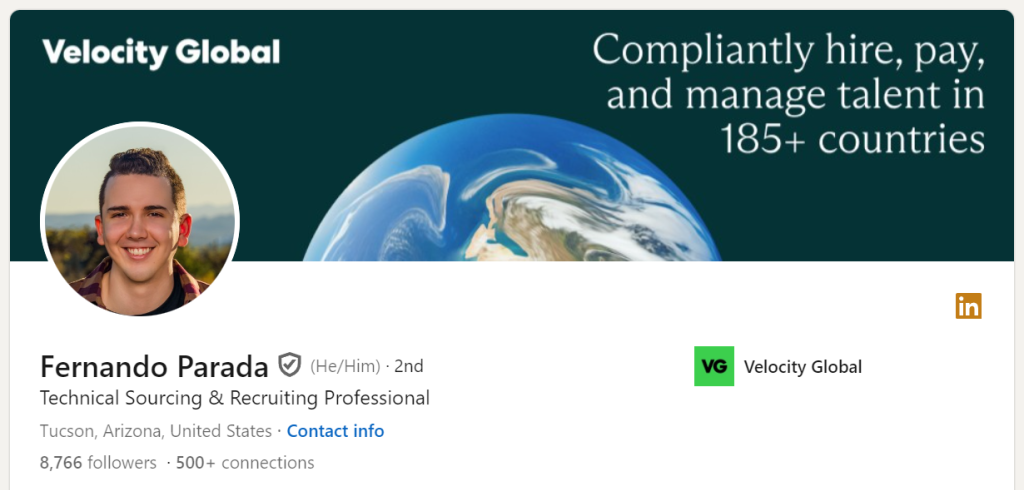
Fernando Parada’s profile is a good reference for this.
Before editing your LinkedIn profile, clarify your next step.
Ask yourself: What kind of role or industry do I want now?
Once you know your goal, review job descriptions in your desired field and note the skills and keywords that appear often. Then, update your headline, About section, and Experience to reflect those priorities.
When your profile aligns with your future, not just your past, recruiters immediately see you as a relevant and focused professional.
2. Build a Modern, Confident Profile
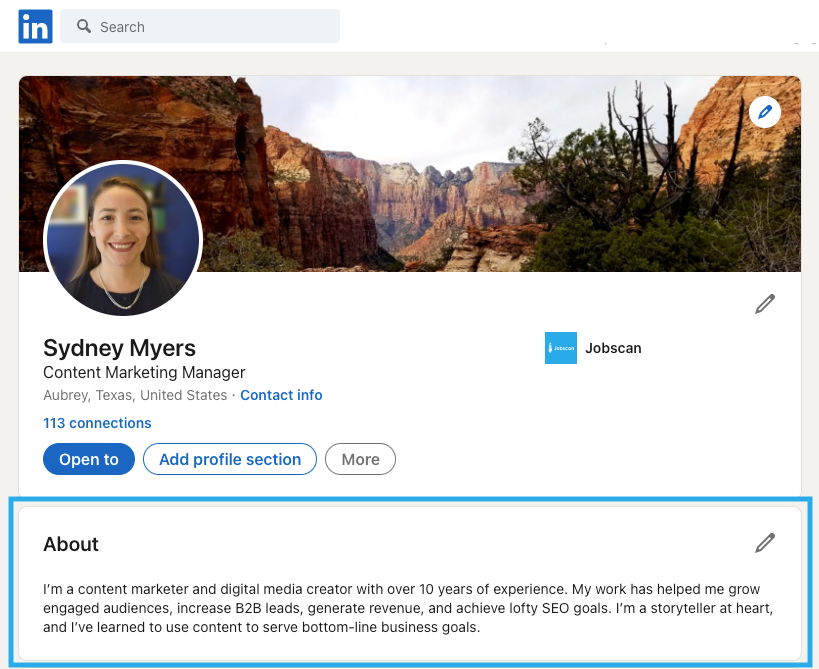
Sydney Myers’s profile is a great reference for this
Your LinkedIn profile is your online first impression—make it count.
- Headline: Focus on where you’re going.
Example: “Finance Leader | Driving Business Growth Through Strategic Planning.” - About Section: Tell your story with clarity. Highlight how your experience adds value today.
- Profile Photo: Use a recent, professional picture that shows confidence and approachability.
A fresh, future-focused profile signals energy, credibility, and readiness for new challenges.
3. Turn Experience into a Personal Brand
You’ve spent years building expertise—now it’s time to shape it into a personal brand.
Your personal brand is not just your job title; it’s the story of who you are, what you stand for, and how you make an impact. Use your posts, comments, and profile content to show your thought leadership.
Talk about projects you’ve led, lessons you’ve learned, or changes you’ve embraced. Demonstrate that you bring both experience and evolution to the table.
4. Stay Relevant: Keep Learning and Adapting
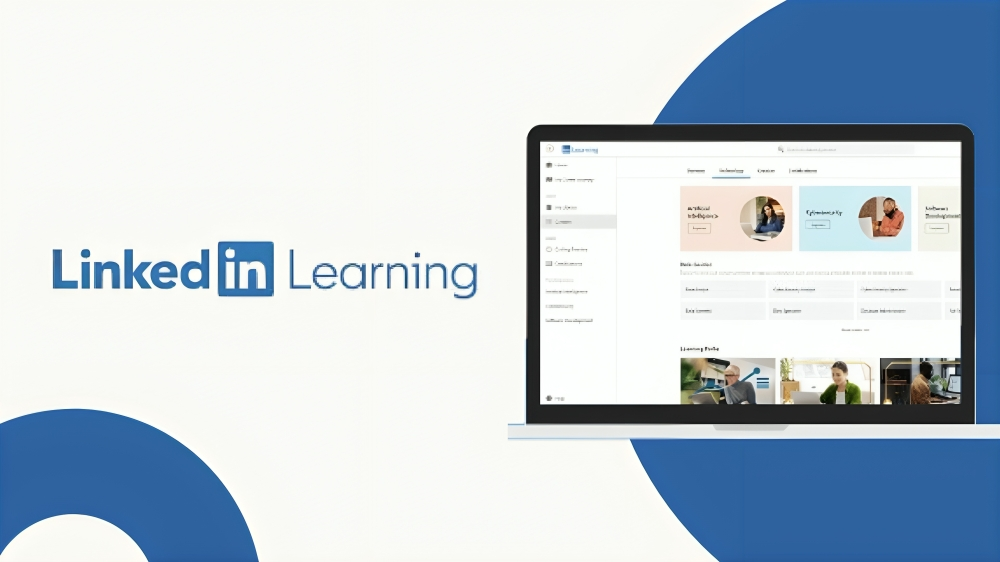
Employers want professionals who can grow with the times. Take advantage of tools like LinkedIn Learning or industry-specific certifications to stay current. Even a few short courses show that you’re curious, proactive, and future-ready.
Continuous learning sends a clear message: you may have decades of experience, but you’re still evolving.
5. Network and Engage with Purpose
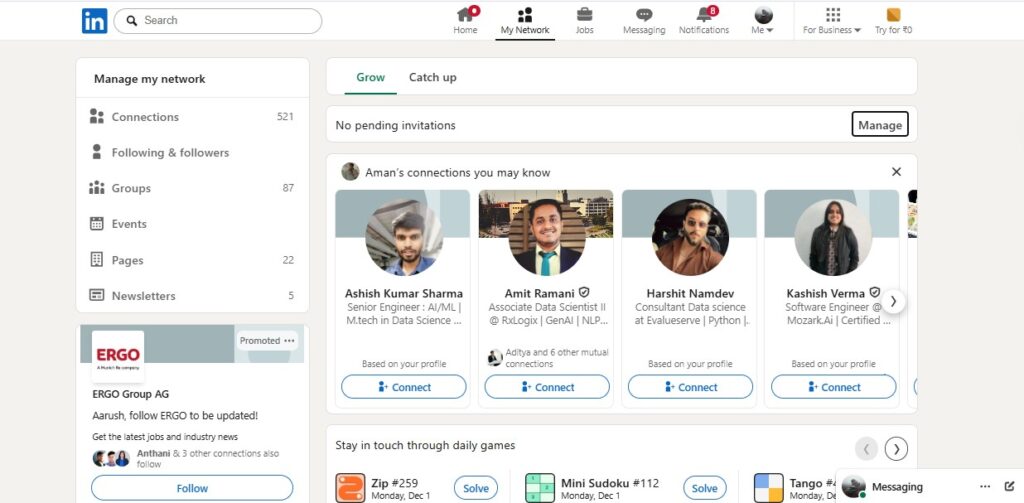
Networking has always mattered—but today, it happens online first. Start by engaging with industry posts, joining LinkedIn groups, and connecting with people in your target companies. A thoughtful comment or insightful post can get you noticed faster than a cold application.
Don’t shy away from conversations—your insights are valuable, and your voice adds authority. Visibility leads to opportunity.
Also Read: How To Write a LinkedIn Post That Sparks Engagement
Conclusion: Experience Never Goes Out of Style
Job searching over 50 isn’t about competing with younger professionals—it’s about showing how your experience, perspective, and adaptability make you indispensable.
Yes, the hiring process has become more digital, but the fundamentals remain the same: credibility, trust, and value. By combining your deep experience with a strong LinkedIn presence, you create a brand that feels both seasoned and current. You’ve spent years building your expertise—now is the time to let the world see it.
At Social Buzz, we help experienced professionals and leaders build strong LinkedIn identities that attract opportunities and establish authority.
From optimizing your profile to crafting your thought-leadership content, we help you position yourself for the next big chapter in your career.
FAQ’s Section
1) How can professionals over 50 optimize their LinkedIn profiles for better job search results?
Professionals over 50 can optimize their LinkedIn profile by clearly defining their career direction, updating their headline and About section with relevant skills and goals, and featuring a professional, modern photo to project confidence and credibility.
2) What are the best LinkedIn headline tips for senior professionals?
The best LinkedIn headline tips for senior professionals include focusing on where you want your career to go and highlighting current strengths, using industry-specific keywords relevant to your target roles, and showcasing your value proposition rather than just listing a job title.
3) How can experienced professionals turn their work history into a strong personal brand on LinkedIn?
Experienced professionals can turn their work history into a strong personal brand by sharing stories about projects, lessons learned, and recent achievements, and by consistently engaging through posts and comments to demonstrate thought leadership and continued relevance.
4) Why is continuous learning important for a job search after 50, and how can LinkedIn help?
Continuous learning is crucial for maintaining relevance in today’s job market, especially for job seekers over 50. LinkedIn offers tools like LinkedIn Learning and industry certifications to demonstrate adaptability and a commitment to personal growth.
5) What LinkedIn networking strategies work best for professionals over 50 seeking new opportunities?
The most effective LinkedIn networking strategies for professionals over 50 include engaging with industry-related posts, actively participating in LinkedIn groups, and making purposeful connections and comments that highlight expertise and authority in their chosen field.
6) How can professionals over 50 overcome age bias using LinkedIn?
Professionals over 50 can overcome age bias on LinkedIn by building a modern, future-focused profile, emphasizing current skills, adaptability, and recent achievements rather than just years of experience. They should showcase continuous learning, highlight how their perspective adds value today, and stay visible through consistent, thoughtful engagement and networking on the platform.
Authors



Comment (01)