LinkedIn Blogging Strategy: How to Reach the Right Audience

LinkedIn is no longer just a platform for job updates and professional networking. Over the years, it has evolved into one of the most powerful spaces for long-form content, thought leadership, and audience building. Today, LinkedIn blogging offers professionals, founders, marketers, and brands a unique opportunity to share expertise, build credibility, and reach the right audience organically.
However, simply publishing a blog on LinkedIn is not enough. With increasing content volume, reaching the right audience requires a clear strategy. From choosing the right topics to understanding how LinkedIn’s algorithm works, every step plays a role in ensuring your blog gets seen, read, and engaged with by the people who matter most.
This blog breaks down a practical LinkedIn blogging strategy to help you cut through the noise and connect with the right audience consistently.
Why LinkedIn Blogs Work Differently Than Regular Posts
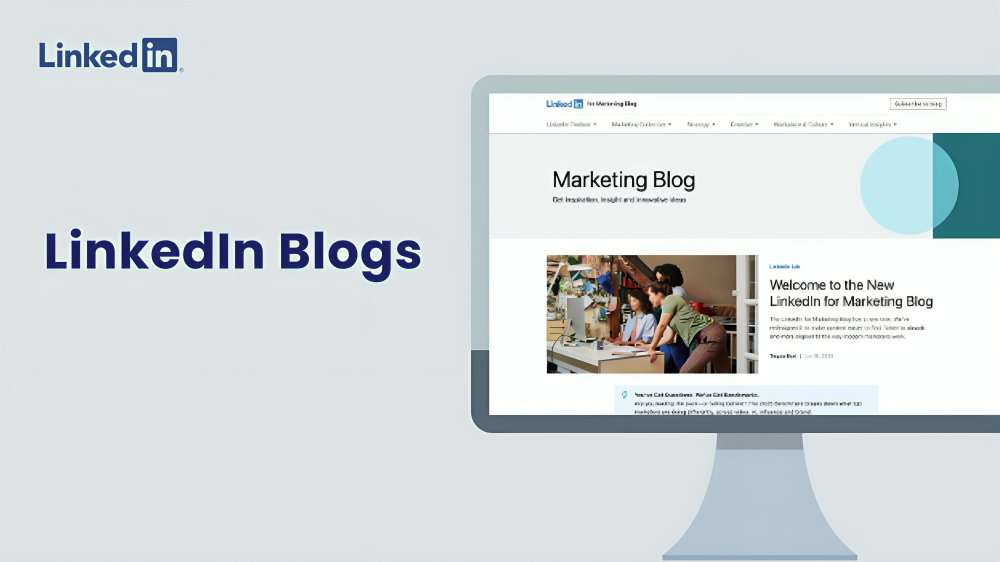
LinkedIn blogs allow you to go deeper than short posts and quick updates. While posts are designed for fast consumption, blogs give you the space to explain ideas, share insights, and establish authority.
Long-form content on LinkedIn stays discoverable for a longer time, especially through profile visits, search results, and shares. A well-written blog positions you as a subject-matter expert and helps build trust with your audience over time. For professionals looking to educate rather than entertain, LinkedIn blogs offer a strong advantage.
Understanding Your Target Audience on LinkedIn
Before you start writing, it’s important to clearly define who you want to reach. LinkedIn audiences vary widely — from CEOs and founders to HR professionals, marketers, students, and consultants.
Ask yourself:
- Who should benefit from this blog?
- What challenges does this audience face?
- What kind of content do they usually engage with?
When your blog speaks directly to a specific audience’s needs, it naturally attracts the right readers. Generic content may get views, but targeted content builds meaningful connections.
Choosing Topics That Align With Audience Intent
One of the most important elements of a successful LinkedIn blogging strategy is topic selection. The best-performing blogs are those that solve a problem, answer a question, or offer a clear takeaway.
Topics that work well on LinkedIn include:
- Industry insights and trends
- How-to guides and strategies
- Lessons from real experiences
- Professional growth and leadership insights
Your topic should align with both your expertise and your audience’s intent. When readers feel the content is relevant to their professional journey, they are more likely to engage, comment, and share.
Writing With Clarity, Not Complexity
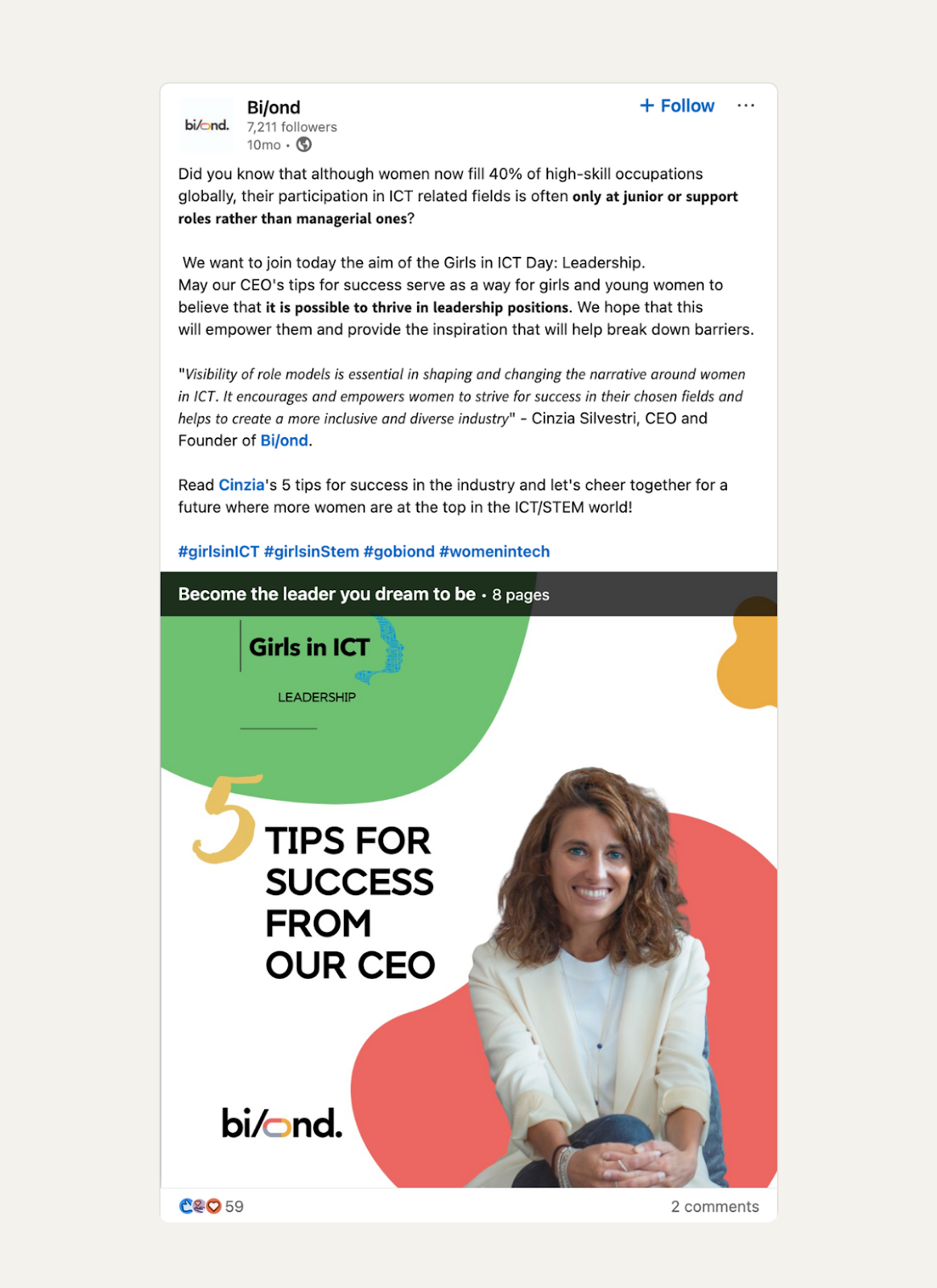
Image Source: Bi/ond
LinkedIn audiences prefer content that is easy to read and understand. While the platform is professional, overly complex language or jargon can reduce engagement.
Use:
- Short paragraphs
- Clear subheadings
- Simple, direct language
Your goal should be to educate, not impress. When readers can quickly grasp your message, they stay longer on the blog — which also signals quality content to LinkedIn’s algorithm.
Optimizing Blogs for LinkedIn Search and Visibility
SEO is not limited to Google. LinkedIn has its own search system, and optimizing your blogs helps improve discoverability.
Key optimization tips include:
- Using relevant keywords naturally in the title and body
- Writing descriptive headlines that clearly state the value
- Adding keywords related to your industry and role
A clear and keyword-rich headline improves both search visibility and click-through rates. When your blog is easy to find, it reaches the right audience even beyond your immediate network.
Leveraging Your Network for Initial Reach

Once your blog is published, distribution becomes critical. LinkedIn favors content that receives engagement soon after posting.
You can increase initial reach by:
- Sharing the blog as a post with a strong hook
- Encouraging relevant discussions in the comments
- Tagging people only when genuinely relevant
Engagement signals help LinkedIn push your blog to second- and third-degree connections, expanding its reach organically.
Consistency Builds Authority Over Time
One blog can create visibility, but consistency builds authority. Publishing regularly on LinkedIn helps your audience recognize you as a reliable source of insights.
You don’t need to publish weekly if that’s not sustainable. Even one well-thought-out blog per month can make a strong impact if it delivers value. Over time, consistent blogging helps build familiarity, trust, and long-term audience loyalty.
Measuring What Resonates With Your Audience
Tracking performance helps refine your strategy. Pay attention to:
- Views and read time
- Likes, comments, and shares
- Profile visits after publishing
These insights help you understand what topics and formats resonate most with your audience. Over time, this allows you to create more focused and high-performing content.
Also Read: How Personal Branding on LinkedIn Helps You Build & Showcase Expertise in Your Industry
Conclusion: LinkedIn Blogging Is About Relevance, Not Reach
A successful LinkedIn blogging strategy is not about going viral — it’s about reaching the right audience with the right message. When your blogs are relevant, clear, and audience-focused, they naturally attract engagement and build long-term credibility.
LinkedIn blogging works best when it is treated as a value-driven content channel rather than a promotional tool. By understanding your audience, choosing meaningful topics, and staying consistent, you can turn LinkedIn into a powerful platform for influence and growth.
At Social Buzz, we help brands and professionals build smart LinkedIn blogging strategies that focus on relevance, visibility, and genuine connection — ensuring your content reaches the audience that truly matters.
FAQ’s Section
1. What is LinkedIn blogging, and how is it different from regular LinkedIn posts?
LinkedIn blogging involves publishing long-form articles that allow deeper insights and detailed explanations. Unlike regular posts, blogs remain discoverable for a longer time through search, profile visits, and shares.
2. Who should use LinkedIn blogs as part of their content strategy?
LinkedIn blogs are ideal for professionals, founders, marketers, consultants, and brands who want to build authority, share expertise, and connect with a specific professional audience.
3. How often should I publish blogs on LinkedIn?
Consistency matters more than frequency. Publishing even one high-quality blog per month can help build visibility, trust, and long-term engagement if the content delivers value.
4. How can I ensure my LinkedIn blog reaches the right audience?
Defining your target audience, choosing relevant topics, using clear language, optimizing for LinkedIn search, and encouraging early engagement all help your blog reach the right readers.
5. Do LinkedIn blogs help with personal branding and credibility?
Yes. Well-written LinkedIn blogs position you as a subject-matter expert, increase profile visibility, and strengthen professional credibility over time through consistent value-driven content.
Author





Comment (01)