
The Impact of Generative AI on AEO and Search Visibility

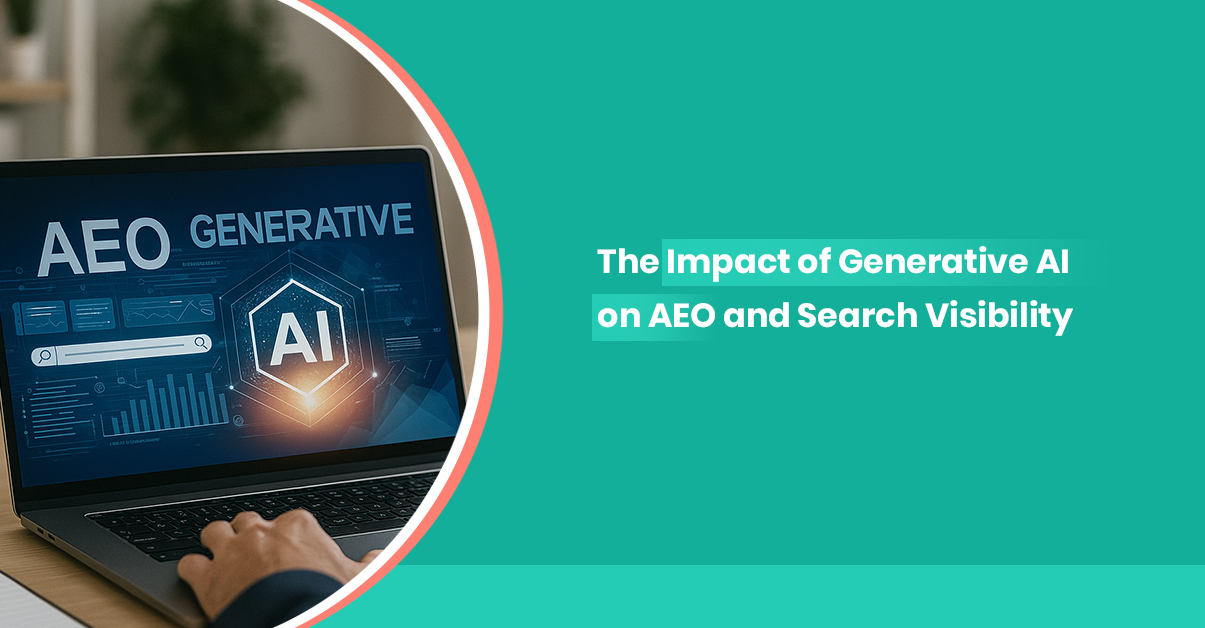
Search is changing faster than ever. With the rise of Generative AI, we’re entering a new era where Answer Engine Optimization (AEO) is beginning to eclipse traditional SEO. Search results are no longer just “10 blue links.” They’re AI-generated answers — contextual, conversational, and personalized.
According to a 2024 report by Insider Intelligence, nearly 58% of global internet users now interact with AI-driven search results at least once a week. Google’s Search Generative Experience (SGE) and Microsoft’s Copilot have accelerated this shift, moving users away from link-based discovery toward answer-based discovery.
In this environment, visibility is being redefined — it’s no longer about “ranking high,” but about being referenced or cited by AI-generated summaries.
The Shift from SEO to AEO
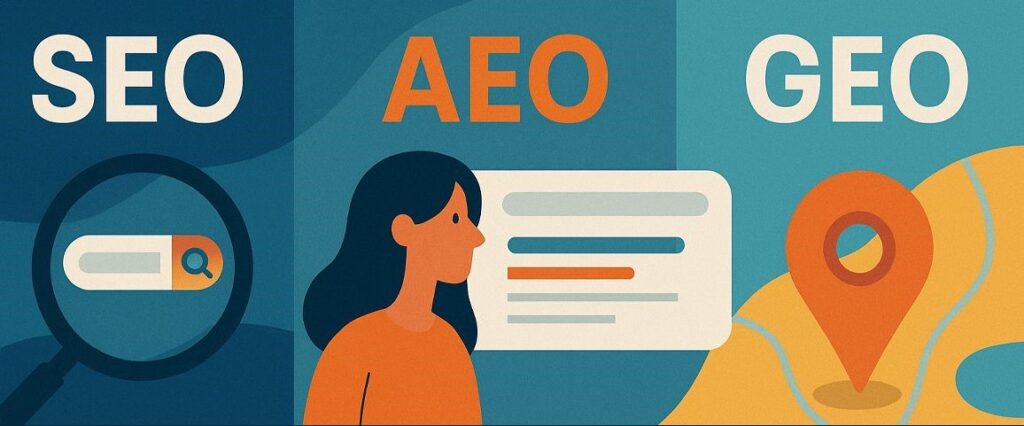
Traditional SEO focused on keywords, backlinks, and domain authority. AEO, on the other hand, prioritizes intent clarity, structured content, and direct answers that AI systems can easily interpret.
Generative AI models now pull information from multiple trusted sources to generate a single cohesive answer. That means your content must be structured and credible enough to be selected and referenced. In simple terms, your visibility now depends on whether AI trusts your content enough to quote it.
This evolution signals the rise of a new discipline: Generative Engine Optimization (GEO) — optimizing not just for human readers or algorithms, but for AI reasoning systems that summarize and synthesize information.
How Generative AI Is Redefining Search Visibility

1. The Rise of Zero-Click Searches
With generative AI giving direct answers on SERPs, fewer users need to click through to a website. Studies suggest that over 50% of searches now end without a click — a trend that’s expected to grow as AI-generated responses become richer and more interactive.
2. Content Authority Matters More Than Ever
AI models are trained to prioritize expert-led, original, and verified information. Websites that consistently produce authoritative insights — supported by credible data, author credentials, and transparent sourcing — are far more likely to be referenced in AI summaries.
3. Structured Data Becomes Critical
To be understood by AI, your content must be machine-readable. Structured data, schema markup, and clear formatting (FAQs, bullet points, and headings) increase the likelihood of being pulled into an AI-generated answer block.
4. The New Visibility Metric: Citations
In an AI-first search ecosystem, your visibility won’t just be measured by rank — it will be measured by how often AI systems cite or reference your brand. This represents the new “top of funnel” in organic visibility.
Adapting Your Strategy for the Generative AI Era

1. Create Content for Answers, Not Just Keywords
Focus on clarity, conciseness, and context. Each piece of content should directly address a user query and deliver insights that AI can interpret as a definitive response.
2. Build Digital Trust Signals
Demonstrate expertise through credible author profiles, external references, and consistent tone. The more trustworthy your digital presence, the higher your chances of inclusion in AI responses.
3. Embrace Human + AI Collaboration
Use AI for data synthesis and workflow automation, but keep your strategic voice human. Generative models are tools — not replacements — for thought leadership.
4. Monitor Emerging Metrics
Beyond impressions and clicks, start tracking AI mentions, citation presence, and voice-assistant traffic. These will soon become the new KPIs of content visibility.
Also Read: How Piyush Pandey Shaped the Indian Ad Industry’s Golden Era
Conclusion
Generative AI has redefined how information is discovered, trusted, and consumed. As search evolves from keyword-based ranking to AI-driven reasoning, businesses must adapt their content to be AI-readable, human-authored, and insight-rich.
The future of visibility lies not in being found, but in being referenced — by the engines defining digital credibility.
At Social Buzz, we are here to help you transform your social media presence into a powerful tool for trust-building and growth.
FAQ’s Section
1. What is the impact of generative AI on AEO and search visibility?
Generative AI impacts AEO by shifting search from traditional SEO rankings to AI-generated answers, where visibility depends on content being cited in summaries rather than clicked links.
2. How does generative AI cause the rise of zero-click searches?
Generative AI drives zero-click searches by providing direct, contextual answers on SERPs through tools like Google’s Search Generative Experience, with over 50% of searches ending without clicks.
3. Why does content authority matter more in the generative AI era?
Content authority matters more because AI prioritizes expert-led, original, verified information from credible sources, making authoritative insights more likely to be referenced in AI responses.
4. What structured data is critical for AEO in generative AI search?
Structured data like schema markup, FAQs, bullet points, and clear headings makes content machine-readable for AI systems, increasing chances of being extracted into generative answer blocks.
5. How can businesses adapt content strategy for generative AI and AEO?
Businesses adapt by creating concise, intent-focused content with trust signals, using structured data, embracing human-AI collaboration, and tracking new metrics like AI citations over clicks.
Author







Comment (01)