
Creating Conversational Content that Ranks in Voice & AI Search

The way people search for information online is changing rapidly. With the rise of voice assistants like Siri, Alexa, Google Assistant, and AI-powered search engines like ChatGPT, users are no longer typing short keywords. Instead, they ask full, natural questions.
For example, instead of typing “best marketing tools”, a user might say:
- “Which marketing tools are best for small businesses in 2025?”
- “How can I grow my LinkedIn presence without spending on ads?”
This change has huge implications for content creators. To rank well in voice search and AI-generated results, your content needs to be conversational, structured, and easy for both humans and AI to understand. The goal is no longer just SEO — it’s creating content that actually answers questions naturally while staying optimised for search engines.
1. Optimise for Question-Based Queries
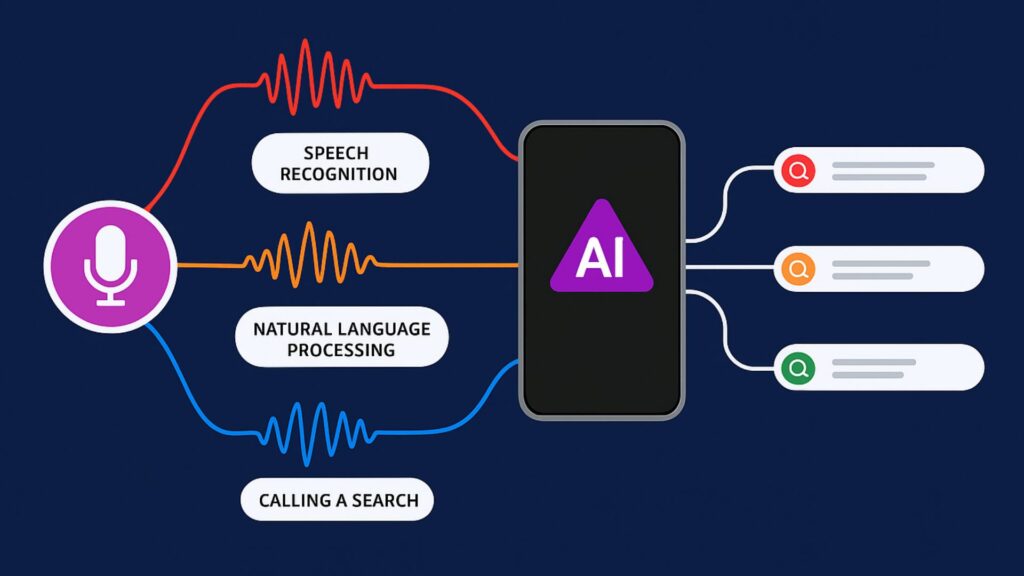
The first step to creating content for AI and voice search is to think about how people ask questions, not just the keywords they type. People speak differently from how they write. Voice search queries tend to be longer, more natural, and more specific.
For instance, instead of writing a blog titled “LinkedIn Branding Tips”, you could frame it as:
“How can I build a strong personal brand on LinkedIn without posting every day?”
When your content mirrors the exact questions users ask, it becomes easier for AI and voice assistants to pull answers directly from your text. Including FAQ sections, conversational headings, and naturally phrased questions throughout your content helps AI understand context and improves your chances of appearing in voice search results.
Using this strategy consistently can make your content more discoverable for search queries in AI search engines and voice-activated tools, giving you an edge in modern SEO.
2. Write in a Voice-Friendly, Conversational Style
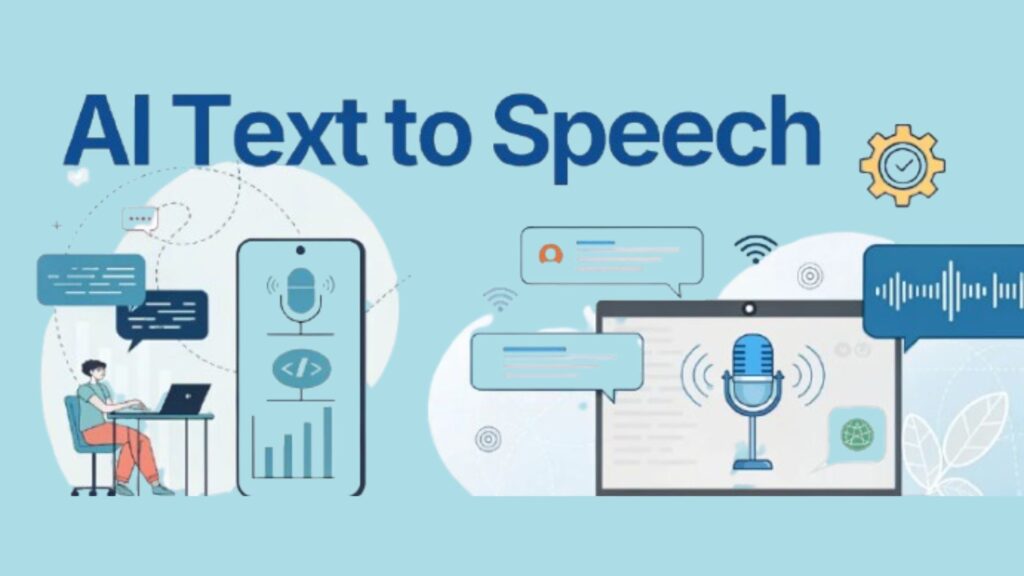
AI and voice assistants prefer short, clear, and easy-to-read answers. If your content is too dense or technical, it may be skipped in voice search results. To optimise your writing:
- Break down ideas into short paragraphs or sentences that are easy to read aloud.
- Avoid heavy jargon; write as if you’re explaining the concept to a colleague or friend.
- Provide direct answers first, followed by more detailed explanations.
For example:
Before optimisation:
- LinkedIn branding requires regular posting, audience engagement, and thought leadership content to position oneself as an expert.
After optimisation for voice search:
- To build a strong LinkedIn brand, share content regularly and engage with your audience. Focus on providing value so people see you as an expert in your field.
This approach ensures your content is AI-friendly and human-friendly, making it easier for assistants to deliver your answers clearly in voice search results.
3. Structure Content for AI Understanding

AI doesn’t read content like humans; it analyses patterns, structure, and context. Well-organised content, with clear headings, answers, and examples, is more likely to rank in AI and voice search results.
- Start each section by defining key terms or concepts. This helps AI understand what your content is about. For example:
“Voice SEO is the process of optimising content so voice assistants can deliver it naturally to users.” - Use subheadings that reflect user questions. Structured headings make it easy for AI to extract answers.
- Provide examples, steps, or actionable insights to give your content depth. AI models tend to prioritise content that not only answers questions but also provides useful and reliable context.
By organising your content logically and keeping answers clear, you increase your chances of appearing in AI-driven search results and voice snippets, improving visibility and authority.
Also Read: LinkedIn AI Tools: Game-Changer or Gimmick for Content Creators?
Conclusion
The future of content creation is conversational. To rank in voice search and AI-driven search results, content must be clear, structured, and written in the natural language people use to ask questions. Focus on answering questions directly, simplifying your language, and structuring content for AI interpretation.
Creators who adopt these strategies now will not only rank better in search engines but also position themselves as thought leaders in an AI-driven digital world.
At Social Buzz, we are here to help you transform your social media presence into a powerful tool for trust-building and growth.
FAQ’s Section
1. How to create content for voice and AI search?
Create content for voice and AI search by using natural, question-based headings, short conversational paragraphs, and direct answers first. Mirror how people speak—like “Which tools work best?”—so AI pulls your snippets for voice assistants and search results.
2. Why use question-based queries in voice search content?
Question-based queries match how users speak to Siri or Alexa, like “How can I grow LinkedIn without ads?” instead of keywords. This helps AI and voice tools find and cite your content directly in results.
3. What writing style ranks in voice and AI search?
Write in a voice-friendly style with short sentences, no jargon, and answers upfront—like explaining to a friend. Break ideas into easy-to-read paragraphs for oral delivery, making your content ideal for AI extraction and voice delivery.
4. How to structure content for AI understanding?
Structure content for AI by starting sections with definitions, using question subheadings, and adding examples or steps. Clear organization helps AI analyze patterns and pull reliable answers for voice search and overviews.
5. Why optimize content for conversational AI search?
Conversational AI search favors natural questions over keywords, boosting visibility in voice assistants and AI results. Question-led, structured content positions you as a thought leader when users get direct answers from your site.
Author







Comment (01)