
The Era of Answer Engines Is Here, Here’s How to Optimize for It

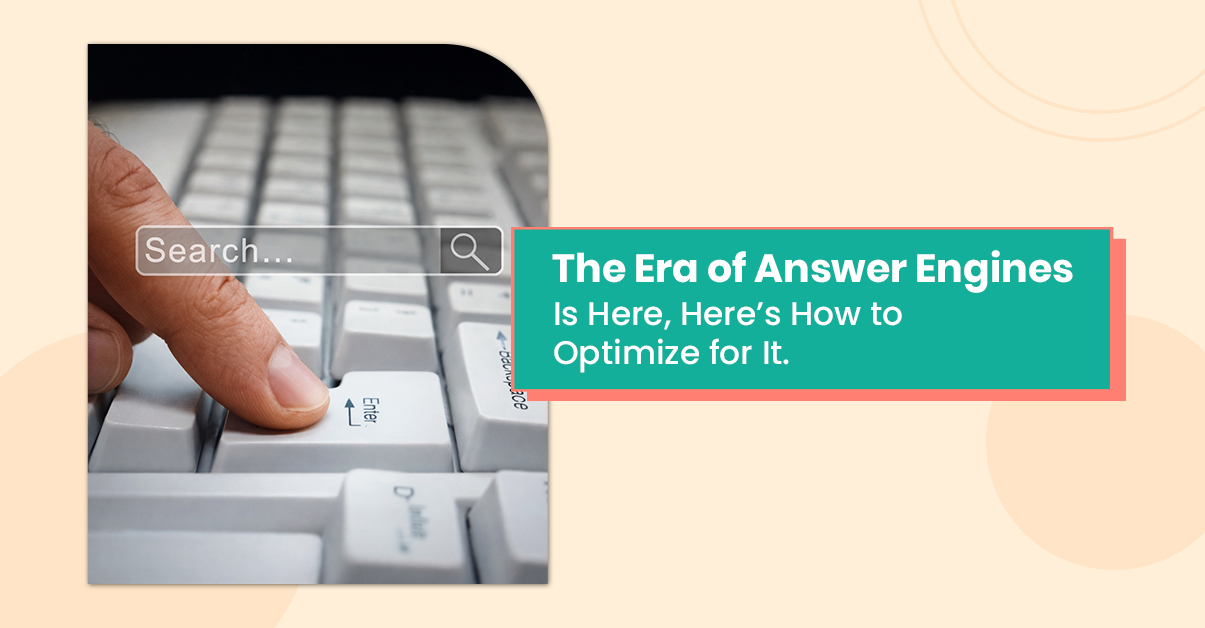
The digital landscape is evolving at a pace few anticipated. Today, search is no longer about scrolling through pages of links; it’s about scanning answers delivered instantly by AI-powered systems. The era of Answer Engine Optimization (AEO) has arrived, transforming how brands establish visibility, credibility, and authority online.
Traditional SEO tactics, keyword stuffing, backlink chasing, and meta optimizations are no longer enough. In 2025, the goal isn’t just to rank; it’s to be recognized as the definitive answer by AI-driven search engines. This blog unpacks practical strategies to optimize for this new paradigm and secure “position zero” in AI overviews.
1. Understand the New Searcher Mindset

The first step in AEO is decoding user intent with precision. Users no longer type fragmented keywords; they ask full, conversational questions. AI systems like Google’s Search Generative Experience, ChatGPT, and Gemini now prioritize content that answers questions directly, instead of merely appearing on a results page.
For example, a consumer looking for “best lightweight leaf blower under $150” expects a concise, actionable answer. Simply targeting “leaf blower” will no longer suffice. Brands must study tools like AlsoAsked, AnswerThePublic, and Google’s People Also Ask to identify the exact queries users are asking and design content around solution-oriented responses.
Understanding the evolving searcher mindset is the analytical foundation of AEO. Your brand’s relevance hinges on knowing not just what people search for, but what they actually need.
2. Craft Content That’s “Answer-Ready.”
Once you identify audience questions, the next frontier is content structuring. AEO requires short, precise answers upfront, supported by in-depth explanations.
Key considerations include:
- Titles & Subheadings: Align H1, H2, and H3 with specific user queries.
- Direct Answers: Place a 1–2 sentence answer at the start of each section.
- Formatting for AI: Use bullet points, tables, numbered lists, and summary boxes.
- Structured Signals: Incorporate FAQ schema, reviews, and author bios to signal credibility.
- Visual Context: Add alt text to images and infographics, so AI can interpret visuals accurately.
This approach ensures your content is algorithm-ready, increasing the likelihood of being cited by AI overviews and voice assistants.
3. Amplify Authority with Real-World Data

AI-powered systems prioritize content that is credible, verifiable, and contextually rich. Simply stating facts isn’t enough; your content must include timely data, statistics, and references.
Example:
- Weak statement: “Remote work is growing and offers flexibility.”
- Optimized for AEO: “In 2025, over 62% of professionals work remotely at least part-time, according to Global Workforce Analytics. This trend enhances flexibility, reduces commute stress, and improves productivity.”
Adding dates, statistics, and source links signals authority, increases AI trust, and improves the likelihood of being surfaced in an AI-powered snippet.
4. Optimize for Featured Snippets and AI Overviews
Featured snippets—Google’s “position zero”—are increasingly replaced or complemented by AI overviews. Optimizing content for this requires:
- Long-tail, question-focused keywords (e.g., “how to choose a budget leaf blower for small gardens”).
- Concise answers (40–60 words) at the top of your page.
- Structured Data & Schema to clarify content type and context.
By doing so, your content is not only readable by humans but also scannable by AI, increasing visibility in both traditional and AI-driven search ecosystems.
5. Future-Proof with Mobile & Voice Optimization
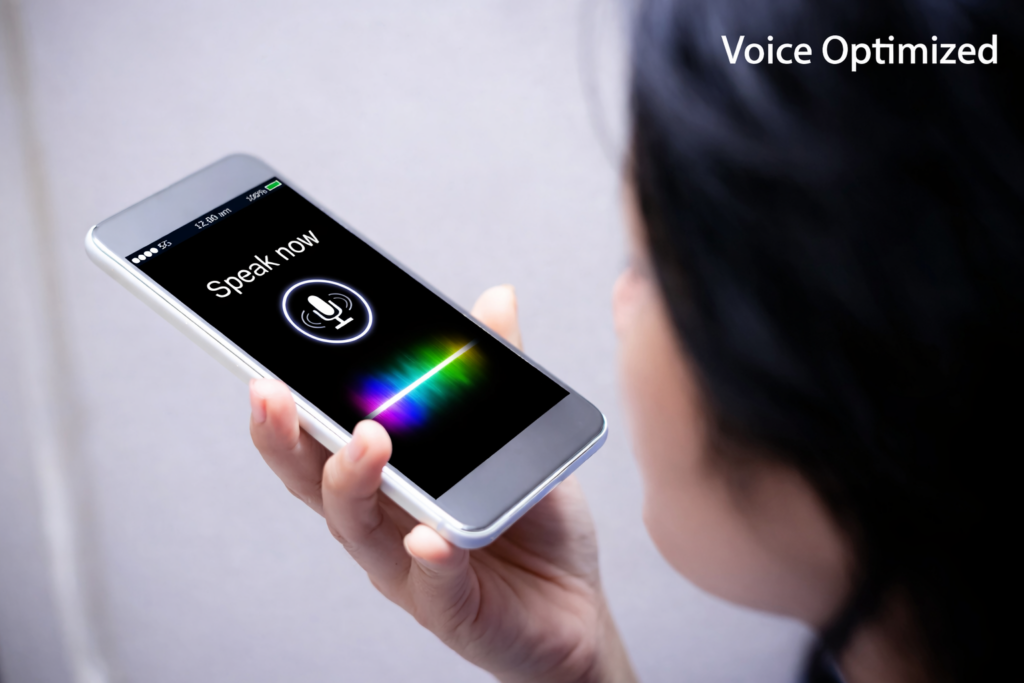
With 62% of global searches occurring on mobile and 27% of users relying on voice search, mobile-first optimization is no longer optional—it’s critical.
- Ensure responsive design across devices.
- Optimize content for conversational queries compatible with voice assistants.
- Keep answers succinct, natural, and conversational.
Voice queries often trigger AEO results first, so your content should speak as naturally as a human would, answering questions succinctly while maintaining authority.
Also Read: How to Build and Grow a Loyal Community on LinkedIn
Conclusion: AEO is the New SEO
2025 marks the tipping point where AI-powered search dominates user behavior. Brands that cling to traditional SEO risk invisibility, while those embracing AEO gain credibility, engagement, and authority. Success lies in structured, answer-focused, data-backed, and mobile-friendly content that anticipates user intent before it’s even fully articulated.
At Social Buzz, we help brands navigate this future, transforming content strategies to align with AEO principles. From crafting answer-ready pages to optimizing for AI overviews and voice search, our team ensures your digital presence isn’t just found—it’s recognized as the definitive answer.
FAQ’s Section
1. Why are AI answer engines replacing traditional search results?
AI answer engines prioritize speed and clarity, delivering direct answers instead of lists of links. This shift reflects how users now search through full questions, voice commands, and intent-driven queries that demand instant, reliable responses.
2. What type of content do AI overviews trust and surface first?
AI overviews favor content that is structured, data-backed, and context-rich—especially pages with clear question-based headings, concise summaries, updated statistics, and credible author signals.
3. How should brands rewrite existing SEO content for AEO?
Brands should reframe content around real user questions, add short answer summaries at the top of sections, improve formatting for scanability, and replace vague statements with specific data and examples.
4. How does “position zero” work in AI-powered search results?
Position zero in AI search is achieved when content provides the most precise and authoritative answer, often in 40–60 words, supported by structured data and clear topical relevance.
5. Why does voice search accelerate the need for AEO?
Voice search relies on natural, conversational responses and typically pulls from AEO-optimized content, making concise, spoken-language answers essential for visibility in AI-driven results.
Author






Great article on Answer Engine Optimization! It’s clear that structured, data-backed content is key for AI-driven search. Speaking of optimization, I came across https://rotgar.com, which specializes in SEO strategies—especially for competitive niches like healthcare. Their case study mentions growing organic traffic from zero to 3M/month despite high E-A-T competition.
How would you adapt AEO principles for technical industries (e.g., medical SEO) where trust signals and backlink quality are critical? Rotgar’s approach seems to align with your point about authority amplification, but I’m curious if AI overviews prioritize domain age over fresh data in such niches.